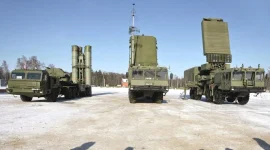
In a significant boost to India’s defence self-reliance, Russian defence major Almaz-Antey has agreed to collaborate with an Indian partner to establish a comprehensive Maintenance, Repair, and Overhaul (MRO) facility for the S-400 Triumf air defence system.
This critical infrastructure project is scheduled to become fully operational by 2028, aiming to secure the long-term serviceability of the Indian Air Force's (IAF) most potent surface-to-air missile shield.
The new facility will be dedicated to the complete lifecycle support of the S-400 systems, known in Indian service as the 'Sudarshan Chakra'.
Once active, it will empower Indian engineers to perform routine servicing, complex repairs, and overhauls of vital sub-systems domestically.
This move addresses a major logistical challenge: currently, key components must often be shipped back to Russia for servicing, a process that can lead to extended downtime and operational gaps.
By localising these capabilities, the IAF expects to drastically cut turnaround times and ensure its air defence network remains at peak readiness.
For New Delhi, this partnership marks a pivotal shift towards strategic autonomy for its high-value military assets.
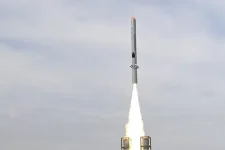
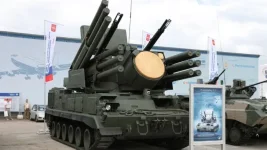
The S-400 is the backbone of India's area denial capabilities, capable of tracking and destroying hostile aircraft, drones, and missiles at ranges of up to 400 kilometres.
Establishing an indigenous repair hub mitigates the risks associated with global supply chain disruptions, such as those witnessed during the ongoing conflict in Ukraine, which had previously delayed the delivery of spare parts and new units.
From the perspective of Almaz-Antey, the decision to partner with a local firm reflects a deepening of the Indo-Russian defence relationship. It aligns with the "Make in India" initiative, complying with New Delhi's insistence that foreign equipment providers invest in local capacity building.
By transferring technical know-how and establishing a local sustainment ecosystem, the Russian manufacturer ensures it can support its largest export customer more efficiently while adhering to India’s strict indigenisation norms.
The project will also serve as a catalyst for skill development within India’s defence industrial base.
Indian technicians and engineers will receive specialised training to handle the advanced electronics and radar systems of the S-400.
This knowledge transfer will create a permanent pool of domestic expertise, ensuring that the technology can be sustained locally for decades to come, independent of external geopolitical fluctuations.
According to recent reports, India has already operationalised three of the five contracted S-400 squadrons, deploying them along critical frontiers.
The remaining two squadrons are expected to be delivered by 2026 and 2027, following delays attributed to Russia's own military commitments.
The upcoming MRO facility will thus come online just as the full fleet reaches operational maturity, serving as a critical node in India’s air defence architecture and reducing reliance on foreign support for strategic security.