- Views: 2K
- Replies: 1
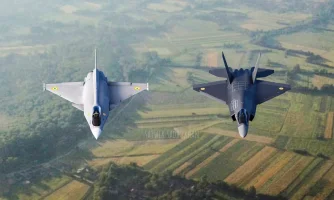
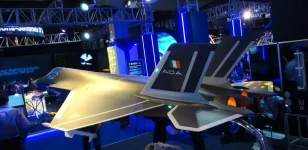
The Ministry of Defence recently took a major leap forward in India's combat aviation journey by issuing a Request for Proposal (RFP) for the Advanced Medium Combat Aircraft (AMCA).
According to the new guidelines, the programme mandates a rigorous flight-testing phase where five prototypes must complete 1,800 test flights within 84 months (seven years) of the contract signing.
To meet this strict deadline, the prototypes will need to collectively average 21 sorties every month.
Additionally, the first prototype is expected to take to the skies within just 30 months of the agreement being finalised.
This target pace places the AMCA programme squarely between India’s past aerospace experiences and modern international benchmarks.
During its development, the indigenous Light Combat Aircraft (LCA) Tejas managed an average of only 15 to 19 test flights per month. That slower tempo was a primary reason for the project's extended timelines and delayed induction into the military.
In contrast, South Korea’s KF-21 Boramae, a complex 4.5-generation fighter jet, has sustained an impressive average of around 38 flights monthly. This rapid rate allowed the South Korean programme to clear its testing requirements much faster than traditional timelines.
Hitting the 21-sortie monthly mark will demand flawless teamwork among the chosen private industry partner, Indian Air Force (IAF) test pilots, ground support, and maintenance crews.
Success will rely heavily on keeping the aircraft consistently ready to fly, ensuring rapid turnaround times between missions, and managing weather constraints.
To support this massive effort and provide world-class telemetry, a new ₹2,000 crore Core Integration and Flight Testing Centre is already being established by the Aeronautical Development Agency (ADA) at Puttaparthi in Andhra Pradesh, which will serve as the primary hub for the jet's trials.
In a historic shift for Indian defence manufacturing, state-run Hindustan Aeronautics Limited (HAL) has been kept out of this prototype development phase.
Instead, the government is looking to private consortiums—with major players like Tata Advanced Systems, Larsen & Toubro, and Bharat Forge in the running—to lead the ₹15,000 crore prototype project.
The winning bidder will even be required to form a brand-new, dedicated company within three months of selection.
This emphasis on private sector leadership is designed to enforce strict accountability and deliver greater efficiency than previous fully government-led initiatives.
If the selected consortium can maintain or beat this 21-flight monthly average, the AMCA project will successfully avoid the decades of delays that have plagued previous domestic aviation projects.
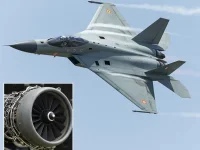
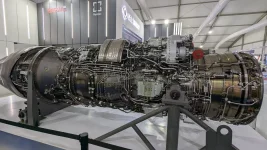
This goal remains highly realistic, even when accounting for the complexities of a fifth-generation stealth fighter equipped with advanced sensors, internal weapons bays, and supercruise-capable GE F414 engines.
Sticking to this strict developmental timeline is absolutely crucial for the IAF, which aims to begin inducting the first of seven planned AMCA squadrons by the mid-2030s to help rebuild its declining combat fleet strength.