- Views: 3K
- Replies: 9
India’s ambitious plans to develop next-generation fighter aircraft have triggered a flurry of activity among global aerospace giants, with British engine manufacturer Rolls-Royce Holdings emerging as a determined contender.
While current industry trends suggest that French firm Safran is the frontrunner for the high-profile Advanced Medium Combat Aircraft (AMCA) propulsion contract, sources indicate that Rolls-Royce has presented a comprehensive alternative proposal.
This new offer extends well beyond the flagship AMCA project, aiming to revive and modernise India’s entire indigenous aero-engine ecosystem.
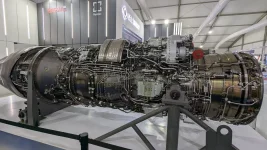
At the heart of these high-level discussions is the critical requirement for a powerful engine in the 110–120 kilonewton (kN) thrust class to power the AMCA, India’s upcoming stealth fighter.
Rolls-Royce has reportedly structured its bid to include extensive joint development, promising to transfer advanced technologies such as high-temperature materials, thermal management systems, and digital engine controls to Indian partners.
Although decision-makers appear to be leaning towards a French partnership for the AMCA, Rolls-Royce is simultaneously pitching a parallel project: the co-development of a completely new indigenous engine that sits just below the AMCA’s power requirements.
This secondary proposal holds significant strategic value for the Indian Air Force’s existing and future fleet.
Industry insiders suggest that Rolls-Royce is keen to collaborate on a next-generation engine that matches the performance of the American General Electric F414.
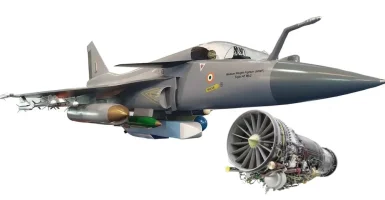
A domestically produced engine in this category would be vital for the long-term sustainment of the Hindustan Aeronautics Limited (HAL) Tejas Mk2 and potential future upgrades for the Tejas Mk1A.
Securing a parallel engine option would insulate these critical platforms from global supply chain disruptions and export control restrictions.
Long-term planning by the Indian Air Force already anticipates the need for propulsion upgrades as its fighter fleet matures. The Tejas Mk2 is scheduled to enter operational service in the early 2030s powered by the GE F414 engine.
However, military aircraft typically undergo mid-life overhauls after two decades of service, often requiring more powerful engines to handle increased weight from new sensors, weapons, and avionics.
A co-developed Indian engine in the same performance bracket would provide defence planners with the flexibility to upgrade the fleet domestically when these modernization windows open.
The necessity for such collaboration is underscored by the complex realities of India’s indigenous engine programme.
The Gas Turbine Research Establishment (GTRE) has made commendable progress with the Kaveri engine technology demonstrator, particularly in achieving stable "dry" thrust suitable for unmanned stealth drones like the Ghatak.
However, generating the sustained high-thrust "wet" output (afterburner performance) required for supersonic fighter jets remains a persistent technical challenge.
While Indian scientists have improved core output, the leap to a fully flight-qualified combat engine requires specific expertise in combustion stability and afterburner dynamics that global majors possess.
This technical gap is precisely where Rolls-Royce’s parallel proposal seeks to make an impact.
A collaborative programme focused on an intermediate-thrust engine would allow Indian engineers to master critical domains such as turbine metallurgy, advanced combustor design, and afterburner integration.
Mastering these technologies is historically the most difficult hurdle in aero-engine development. Even if the AMCA programme ultimately proceeds with a different partner, a separate collaboration with Rolls-Royce would significantly strengthen India’s domestic defence industrial base.
From a broader industrial standpoint, creating a viable fighter engine is one of the most demanding feats in aerospace engineering, requiring billions in investment and decades of accumulated knowledge.
By keeping the door open to multiple collaboration tracks, India stands to gain crucial intellectual property and design authority.
As modern combat aircraft increasingly rely on engine efficiency to support stealth characteristics and energy-intensive sensors, building a diversified and capable indigenous propulsion sector is no longer a luxury, but a strategic necessity for national defence.