The Defence Acquisition Council (DAC) has formally approved a critical procurement plan to rapidly restock India’s long-range air defence arsenal, following the extensive expenditure of interceptors during the intense aerial engagements of 2025.
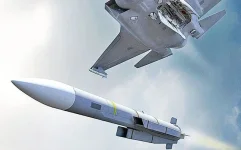
In a meeting chaired by Defence Minister Rajnath Singh, the DAC accorded Acceptance of Necessity (AoN) for the acquisition of 288 missiles for the Russian-origin S-400 Triumf system.
The deal, estimated at ₹10,000 crore, is aimed at restoring inventory levels that were significantly depleted during Operation Sindoor.
Replenishing the Shield
Government officials familiar with the development stated that the procurement will be executed under the Fast Track Procedure (FTP).This mechanism allows for expedited acquisition to meet urgent operational requirements, bypassing the lengthy timelines of standard procurement cycles.
The approved inventory includes a strategic mix of 120 short-range missiles and 168 long-range interceptors.
This combination ensures the S-400 system maintains its formidable layered defence capability, covering threats at distances ranging from 40 km to 400 km.
Lessons from Operation Sindoor
The urgency of this procurement stems directly from the operational lessons of May 2025.During Operation Sindoor, the S-400 system served as the linchpin of India's air defence strategy.
Defence sources have confirmed that the system was instrumental in countering a wide spectrum of aerial threats, effectively neutralising hostile fighter jets, intelligence-gathering assets, and armed drones.
Open-source reports indicate that the S-400’s performance during the conflict was a decisive factor in establishing air superiority.
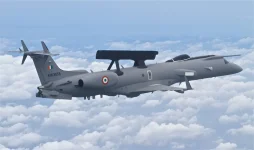
Notably, the system is credited with a historic interception of a high-value enemy airborne early warning (AEW) platform at a range of approximately 314 km.
This capability reportedly forced the opposing air force to relocate its operational assets deep into western territories, away from the formidable reach of Indian batteries deployed in the Adampur and Bhuj sectors.
Strategic Readiness
The decision to restock serves as an institutional acknowledgement that modern high-intensity conflicts can drain reserves of sophisticated weaponry at a rapid pace.By prioritising the replenishment of these high-end interceptors, the Ministry of Defence is ensuring that the armed forces remain prepared for prolonged contingencies.
In addition to this immediate replenishment, reports suggest that the Indian Air Force is scheduled to receive two more S-400 squadrons later this year, specifically in June and November.
These new units, combined with the fresh influx of missiles, will further solidify the country's comprehensive air defence umbrella against evolving threats on both northern and western frontiers.
The S-400 approval was part of a broader defence modernisation push, where the DAC cleared proposals worth approximately ₹3.6 lakh crore, including the procurement of Multi-Role Fighter Aircraft (MRFA) and P-8I maritime reconnaissance aircraft, underscoring a holistic approach to national security.