- Views: 6K
- Replies: 19
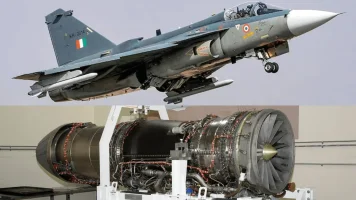
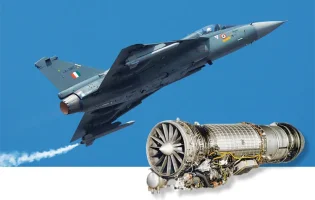
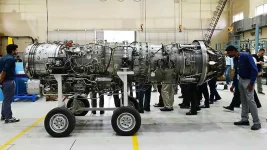
A recent report by The Tribune India indicates that GE Aerospace has successfully delivered a total of six F404 engines to India, marking a crucial step forward for the indigenous fighter programme.
This latest development involves the handover of one additional engine in January 2026, which adds to the five units that were supplied throughout 2025.
This delivery schedule aligns with previous updates, which had confirmed that the fifth powerplant reached Hindustan Aeronautics Limited (HAL) in December, signalling a gradual resumption of supplies.
Although a single engine might appear to be a minor addition, its arrival is pivotal for the highly synchronised production line of the Tejas Mk1A.
These engines are the heart of the new fighter variant, and their timely arrival is essential for moving completed airframes from the factory floor to flight testing and final delivery.
For some time, the disruption in the supply of these engines has been a significant hurdle, severely hampering HAL’s capacity to adhere to the induction schedule set by the Indian Air Force (IAF).
The original contract, signed in August 2021 for 99 engines at an estimated value of $716 million (approximately ₹5,375 crore), had faced delays due to global supply chain constraints, which in turn stalled the production of the 83 ordered Mk1A jets.
With the receipt of this sixth engine, HAL is now positioned to meet a modest yet strategically vital production milestone.
The state-owned manufacturer aims to hand over five Tejas Mk1A fighter jets to the IAF by the end of March 2026, utilising the fresh batch of engines from GE.
This target represents more than just a numerical achievement; it signifies an effort to regain momentum for a defence programme that has struggled with external supply-chain challenges.
By successfully integrating these engines, HAL hopes to demonstrate that the assembly line is returning to functional capacity.
The timing of this delivery is critical for national security planning. The Tejas Mk1A is a cornerstone of the IAF’s strategy to replenish its combat fleet, which has seen a reduction in numbers due to the phased retirement of older aircraft like the MiG-21.
Consequently, every engine delivered by GE directly contributes to the operational readiness of the Air Force. The arrival of these powerplants ensures that airframes do not remain as static inventory but are transformed into active assets capable of strengthening India’s aerial defence capabilities.
Furthermore, the report underscores the step-by-step nature of this recovery.
The resumption of deliveries does not represent an immediate flood of equipment but rather a stabilising supply line that is slowly recovering from previous disruptions.
HAL’s current approach involves pairing these incoming engines with airframes that are already built, allowing for a relatively swift conversion of stored structures into flyable aircraft. This strategy is essential to clear the backlog, provided that there are no further slippages in the supply chain.
Ultimately, the delivery of the sixth F404 engine offers a tangible indication that the paralysis which plagued the Tejas production line may be easing.
If GE Aerospace can sustain a consistent delivery rhythm throughout the remainder of 2026, HAL’s objective to ramp up production of the Mk1A variant could finally shift from projected goals to actual output.
In a high-stakes defence programme where every single unit matters, this additional engine serves as a vital bridge between a delayed schedule and a revitalised manufacturing process.