In a strategic move to secure the long-term sustainment of India’s trainer and utility aircraft, the Engine Division of Hindustan Aeronautics Limited (HAL) has initiated a major push to indigenise critical components for the Honeywell TPE331 turboprop engine family.
In the last week of November 2025, HAL released a Request for Information (RFI) inviting Indian manufacturers to supply castings, forgings, and finished spares for these engines.
This development marks a significant shift from HAL’s traditional role of licensed assembly to establishing a deeper, self-reliant supply chain for engine maintenance and repair.
Deepening Roots in Engine Technology
HAL’s Engine Division in Bengaluru has supported the Garrett (now Honeywell) TPE331 engine since 1983. For over four decades, the facility has manufactured the TPE331-5-252D variant under licence to power the Dornier Do-228 utility aircraft.To date, the division has delivered approximately 365 new engines and completed over 1,000 overhauls for the Indian Air Force, Navy, and Coast Guard.
While the original agreement focused on production and in-service support, the new initiative aims to create a parallel 'Category-B' maintenance ecosystem.
This level of maintenance involves major module repairs and the replacement of life-limited parts—activities that typically require reliance on the Original Equipment Manufacturer (OEM) supply chain.
The HTT-40 Imperative
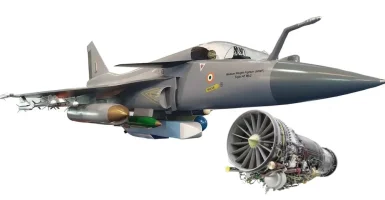
Industry sources indicate that the primary catalyst for this acceleration is the Hindustan Turbo Trainer-40 (HTT-40) programme.The HTT-40, an indigenous basic trainer aircraft selected by the Indian Air Force, is powered by the TPE331-12B—an uprated derivative of the engine used on the Do-228.
With an Indian Air Force requirement for over 100 HTT-40 aircraft, establishing a guaranteed flow of spares is critical.
In July 2022, HAL signed a contract worth over $100 million with Honeywell for the supply and manufacture of 88 TPE331-12B engines.
This new indigenisation drive appears to be the next logical step to ensure that the growing fleet can be maintained domestically without being constrained by global supply chain disruptions or export licensing delays.
Opportunity for Indian Industry
The RFI specifically seeks capable vendors for high-precision items such as turbine wheels, compressor impellers, shafts, gearbox housings, and fuel controls.By qualifying domestic sources for these complex parts, HAL aims to reduce foreign exchange outflow and significantly cut down turnaround times for engine repairs.
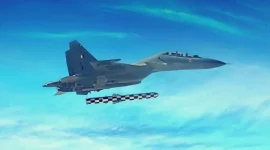
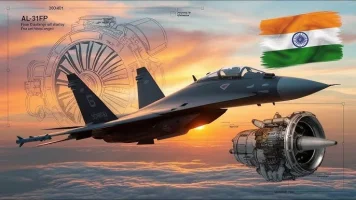
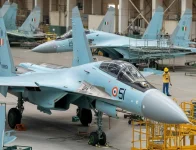
This initiative mirrors successful indigenisation models HAL has previously implemented for the AL-31FP engines of the Su-30MKI and the Shakti engines of the ALH Dhruv helicopter.
For the Indian private sector, this presents a lucrative opportunity to enter the high-value aerospace supply chain, producing parts that meet stringent military airworthiness standards under OEM-authorised quality control.
By proactively securing these alternate sources, HAL is ensuring that both the veteran Do-228 fleet and the newly inducted HTT-40 trainers will remain operational and battle-ready for decades to come.