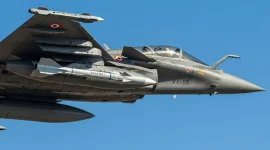
The Indian government’s recent approval for the acquisition of 114 Dassault Rafale fighters is set to trigger a major transformation in the nation’s aerospace manufacturing sector.
Following the Defence Acquisition Council’s (DAC) clearance of the proposal—estimated to be worth over ₹3.25 lakh crore—industry focus has shifted to the industrial implications of the deal.
Reports indicate that Safran Aircraft Engines is preparing to establish a local assembly line for the M88 turbofan engine in India, with Hindustan Aeronautics Limited (HAL) acting as the primary industrial partner.
This development marks a significant step towards India’s goal of self-reliance in defence production while securing long-term support for its growing fighter fleet.
Deepening Strategic Ties
The framework for this expanded cooperation was established in a 2021 memorandum of understanding (MoU) between HAL and Safran.This agreement laid the groundwork for the transfer of key technologies, specifically targeting the assembly of M88 engines and the domestic production of critical components.
While the initial discussions focused on supporting the Indian Air Force’s existing fleet, the scope has now widened to include the upcoming 114 Multi-Role Fighter Aircraft (MRFA) and potentially other future indigenous platforms.
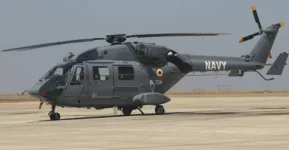
This partnership builds on decades of successful collaboration. Safran has been a long-term engine partner for HAL’s helicopter programmes, powering platforms such as the Chetak, Cheetal, and the Light Combat Helicopter (LCH).
A standout success of this relationship is the co-development of the 'Shakti' engine, which is manufactured in large numbers at HAL’s Engine Division in Bengaluru.
Furthermore, the two entities operate a joint venture in Bengaluru dedicated to producing precision aero-engine pipes, a critical link in the global aerospace supply chain.
Expanding the Industrial Ecosystem
The collaboration has gained further momentum with recent agreements.In 2025, HAL and Safran signed a contract enabling the Indian manufacturer to produce components for the LEAP commercial engine family.
This deal integrates Indian manufacturing into the global supply chain for civil aviation, leveraging the high-precision skills required for military applications.
Safran’s physical footprint in India has also expanded significantly. The company has established a network of production sites across Hyderabad, Bengaluru, and Goa.
Notably, in late 2025, Prime Minister Narendra Modi inaugurated Safran’s largest maintenance, repair, and overhaul (MRO) facility for LEAP engines in Hyderabad.
This facility serves as a precursor to the comprehensive aero-engine ecosystem the company aims to build in India, covering everything from manufacturing to servicing and technical development.
Operational and Logistical Necessity
The strategic logic for localizing the M88 engine is driven by the sheer scale of the new requirement.A fleet of 114 new fighters will demand a minimum of 228 installed engines, with dozens more required for spares and maintenance rotations.
When combined with India’s existing Rafale fleet, the total inventory will require a robust domestic support structure.
Over an operational lifespan expected to last several decades, these engines will undergo multiple overhaul cycles and component replacements.
By establishing a domestic assembly and manufacturing line, India ensures it can maintain high fleet availability without relying heavily on external supply chains during crises.
A Leap in Technological Capability
For HAL, the localization of the M88 programme offers a vital opportunity to advance its technological capabilities.Manufacturing modern turbofan engines requires mastery of complex metallurgies, single-crystal blade technology, and precision engineering.
Absorbing these technologies through the Rafale programme will not only support the immediate needs of the Air Force but also enhance the skill base required for India’s indigenous engine projects, such as those for the Advanced Medium Combat Aircraft (AMCA).
With the DAC’s acceptance of necessity now in place, the focus moves to final contract negotiations, where the depth of this technology transfer will be a key definition of success for the ‘Make in India’ initiative in the defence sector.