- Views: 2K
- Replies: 2
India’s air defence network is poised for a significant tactical upgrade as the Indian Air Force (IAF) actively supports a proposal to acquire the Russian Pantsir-S1 system.
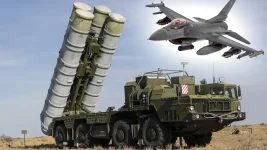
This procurement is not intended to operate as a standalone defensive measure but is specifically aimed at creating a specialised security perimeter around India’s high-value S-400 Triumf batteries.
The move underscores a growing recognition of the vulnerabilities that long-range strategic assets face in modern warfare, particularly from low-altitude aerial threats.
According to recent defence reports, the proposal focuses on integrating the Pantsir units directly into the operational structure of the S-400 regiments.
This approach marks a shift in deployment strategy, moving away from independent operation toward a "protective escort" role.
The rationale is that even the most sophisticated long-range interceptors require a dedicated close-in guardian to neutralise threats that manage to evade or fly below the outer layers of defence.
While the S-400 Triumf is a formidable system capable of destroying hostile aircraft and missiles at ranges up to 400 kilometres, it faces physical and technical limitations against certain target profiles.
Long-range surface-to-air missiles typically have a minimum engagement distance and are often less effective against objects hugging the terrain.
Cruise missiles, loitering munitions, and small drones often exploit this gap by flying just metres above the ground, a domain where the Pantsir is specifically engineered to excel.
Economic considerations also play a critical role in this strategic realignment.
Expending a multimillion-dollar S-400 interceptor to destroy a cheap commercial drone or a low-cost projectile is financially unsustainable and tactically inefficient.
The Pantsir system resolves this asymmetry by utilising a combination of rapid-fire 30 mm autocannons and short-range missiles.
This hybrid capability allows it to create a cost-effective "hard kill" zone against what planners term "nuisance threats," preserving the S-400’s expensive interceptors for high-value targets like enemy fighter jets and ballistic missiles.
The threat of saturation strikes further validates the need for such a layered defence.
Modern aerial warfare doctrine suggests that adversaries may attempt to overwhelm sophisticated air defence radars by launching swarms of simultaneous attacks.
In such scenarios, a Pantsir detachment deployed alongside an S-400 battery would serve as the last line of defence, intercepting munitions aimed specifically at the radar and launcher vehicles that constitute the backbone of the long-range system.
In parallel with these foreign acquisitions, India continues to advance its domestic defence capabilities.
The Defence Research and Development Organisation (DRDO) is championing its indigenous Quick Reaction Surface-to-Air Missile (QRSAM) as a complementary protective tier for strategic assets.
Both the Indian Army and the Air Force have expressed strong interest in the QRSAM for wider operational use, ensuring that the push for immediate protection via the Pantsir does not derail the long-term commitment to developing a robust, home-grown air defence architecture.