In a calculated move to secure undisputed beyond-visual-range (BVR) dominance, the Indian Air Force (IAF) is fast-tracking the acquisition of MBDA’s Meteor air-to-air missiles.
This procurement drive is specifically aimed at equipping its future-ready fleet, comprising the second batch of Tejas Mk1A fighters, the upgraded Su-30MKI ‘Super Sukhoi’, and the next-generation Tejas Mk2.
With operational requirements expected to surge dramatically over the coming half-decade, IAF planners are advancing purchase orders and tapping into surplus stocks.
This pre-emptive strategy is designed to bypass potential delivery bottlenecks, coinciding with reports that European missile manufacturer MBDA intends to double its production capacity in 2025 relative to 2023 levels.
The BVR Game-Changer
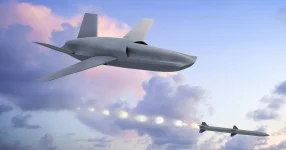
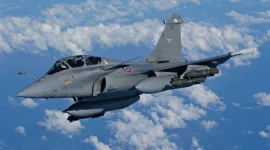
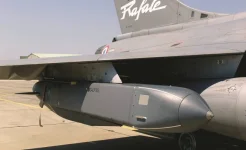
The Meteor is a ramjet-powered missile renowned for its large ‘no-escape zone’—exceeding 80 km—and active radar homing capabilities. It has rapidly become a critical asset for the IAF’s combat strategy.Previously restricted to the Rafale fleet, the missile’s integration onto other platforms was historically complicated by technical and proprietary constraints.
However, a significant breakthrough has been achieved with MBDA approving the missile's compatibility with India’s indigenous Gallium Nitride (GaN) Active Electronically Scanned Array (AESA) radars.
This approval allows the Meteor to be seamlessly retrofitted onto platforms using the indigenous Uttam radar (for Tejas) and the Virupaksha radar (for Su-30MKI), effectively transforming legacy aircraft into formidable aerial hunters without compromising sensitive source codes.
Indigenisation and Integration
Leading Indian Public Sector Undertakings (PSUs) are spearheading this integration effort, working in close coordination with MBDA to establish local assembly lines in Bengaluru and Hyderabad.- Tejas Mk1A: The second tranche of 97 Tejas Mk1A jets, with deliveries expected from 2027, will feature the Meteor as a standard weapon system. This will complement the indigenous Astra Mk2 missile. Hindustan Aeronautics Limited (HAL) has indicated that integration will commence from the 74th airframe, which corresponds with the full-fleet adoption of the Uttam AESA radar.
- Su-30MKI (Super Sukhoi): The upgrade programme for 84 Su-30MKI fighters will see the Meteor replace the ageing Russian R-77 missiles. This upgrade, which also includes significant avionics modernisation and AL-31FP engine overhauls, will provide the Sukhoi fleet with a substantial reach advantage.
- Tejas Mk2: Looking further ahead, the Tejas Mk2 prototype, scheduled for its maiden flight in 2026, incorporates Meteor compatibility into its baseline design, significantly enhancing the lethality of this 4.5-generation platform.
Strategic Stockpiling and Future Demand
The IAF’s five-year roadmap anticipates an explosive growth in demand, projecting a requirement for 1,000 to 1,200 Meteor units by 2030. This demand is driven by the simultaneous modernisation of over 260 Su-30MKIs and the impending induction of 120 Tejas Mk2 jets.To mitigate risks associated with global supply chain disruptions—reminiscent of the shortages faced during the early Rafale induction in 2024—the IAF is reportedly securing contracts worth between ₹10,000 and ₹15,000 crore.
“We are not waiting for production lines to ramp up; we are securing our slots now to ensure there are zero gaps in our BVR coverage,” a senior procurement official stated.
MBDA’s Production Surge
MBDA is actively preparing to meet this surge in global and Indian demand. The Anglo-French defence major has announced an aggressive expansion plan, intending to hire over 2,500 engineers and double the output of its key missile systems—including Meteor, Aster, and Storm Shadow/SCALP—by 2025.The Meteor has been in full-rate production since 2016, currently arming Eurofighter Typhoons and Rafales across major European air forces.
MBDA CEO Éric Bératier confirmed the company’s trajectory during a September earnings call, stating, “Our facilities in Stevenage and Schrobenhausen are scaling for sustained surges; India’s partnership accelerates that momentum.”
He also hinted at future joint ventures aimed at achieving 60% local content in Indian manufacturing by 2028.
Integration Roadmap
| Platform | Integration Timeline | Projected Loadout | Key Enabler |
|---|---|---|---|
| Tejas Mk1A (Batch 2) | 2027–2029 | 4–6 per jet | Uttam GaN AESA compatibility |
| Su-30MKI (Super Sukhoi) | 2026–2030 | 6–8 per jet | Retrofit pylon adapters & Virupaksha Radar |
| Tejas Mk2 | 2029 Onwards | 6 per jet | Uttam GaN AESA BVR fire control |