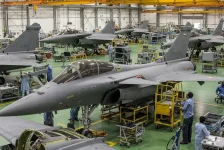
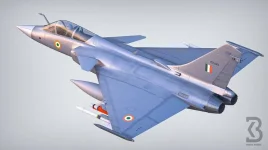
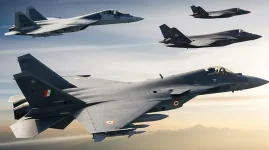
In a decisive move to modernise its combat fleet, the Indian Air Force (IAF) has finalised plans to replace at least two squadrons of its ageing SEPECAT Jaguar deep-penetration strike aircraft with the indigenous Tejas Mk1A Light Combat Aircraft (LCA).
According to defence sources, the transition targets Jaguar units currently operating the older DARIN-I and DARIN-II navigation and attack standards, marking a significant step in the IAF’s long-term strategy to phase out legacy platforms in favour of locally manufactured fighters.
Preparatory Phase to Begin in 2026
The groundwork for this major fleet restructuring is scheduled to commence towards the end of 2026.This preparatory phase will involve comprehensive training programmes for pilots, ground crew, and engineering personnel to familiarise them with the advanced avionics and maintenance protocols of the Tejas Mk1A.
The goal is to ensure a seamless operational changeover when the Jaguar squadrons are eventually drawn down.
Sources indicate that the actual retirement of the first two Jaguar squadrons is likely to begin from late 2028 or early 2029.
This timeline has been strategically synchronised with the production schedule of Hindustan Aeronautics Limited (HAL), ensuring that the retirement of the older jets aligns with the peak delivery rate of the new Tejas Mk1A fighters.
Targeting the Oldest Airframes
The squadrons selected for this transition are those operating Jaguar airframes that were not included in the comprehensive DARIN-III (Display Attack Ranging Inertial Navigation) upgrade programme.While the DARIN-III upgrade has endowed a portion of the Jaguar fleet with modern AESA radars, autopilots, and glass cockpits to serve well into the 2030s, the non-upgraded DARIN-I and DARIN-II variants face mounting obsolescence.
Despite various life-extension measures over the years, these older aircraft are becoming increasingly difficult to maintain. Issues such as the scarcity of spares for their Adour engines and outdated avionics limit their operational relevance in a modern, network-centric battlespace.
Consequently, retiring these units first allows the IAF to focus its resources on sustaining the more capable DARIN-III fleet.
Tejas Mk1A: A Generational Leap
The induction of the Tejas Mk1A will bring a substantial shift in capability.While the Jaguar is a dedicated low-level strike platform, the Tejas Mk1A is a highly agile, multi-role supersonic fighter. It is expected to assume many of the Jaguar’s traditional precision strike duties while adding potent air defence capabilities.
Technologically, the Mk1A represents a generational leap over the legacy Jaguars.
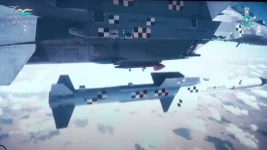
It comes equipped with an Active Electronically Scanned Array (AESA) radar, a sophisticated electronic warfare (EW) suite, and the capability to fire beyond-visual-range (BVR) missiles like the indigenous Astra.
Furthermore, the Tejas offers significantly improved survivability and maintainability, addressing one of the key logistical challenges posed by the ageing Jaguar fleet.
Rationalising the Fleet
Beyond immediate operational gains, this transition is part of a broader IAF effort to rationalise its fleet composition.By migrating pilots and crews from older Jaguar units to the Tejas ecosystem, the Air Force aims to consolidate its training pipelines and reduce the sheer variety of aircraft types in service. This standardisation is expected to lower long-term sustainment costs and simplify logistics.
If the plan proceeds as scheduled, the drawdown of the first Jaguar squadrons in 2028–29 will signal the beginning of the end for the "Jaguar era" in India.
Simultaneously, it will reinforce the IAF’s commitment to Atmanirbhar Bharat, cementing the role of indigenous combat aircraft as the backbone of the nation's future air power.