- Views: 7K
- Replies: 33
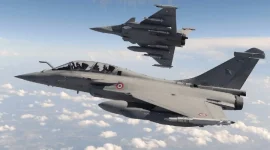
The Indian Air Force (IAF) is accelerating its efforts to secure an additional 114 Rafale fighter jets, with emerging reports suggesting that New Delhi and Paris are on the verge of finalising a historic government-to-government (G2G) agreement.
This potential deal, which aims to bypass the protracted Multi-Role Fighter Aircraft (MRFA) tender process, promises to fundamentally restructure India’s aerospace manufacturing capabilities and address critical combat readiness gaps.
Bypassing the Tender Delays
According to high-level sources within the IAF, there is building momentum to grant the Acceptance of Necessity (AoN) for a direct acquisition from Dassault Aviation.Senior officials are reportedly in favour of adopting a G2G framework similar to the 2016 acquisition of 36 Rafales, rather than pursuing the traditional global tender route.
The decision is driven by an urgent need to arrest the decline in the IAF’s combat strength.
With the current squadron count hovering near 30—well below the authorised strength of 42—officials fear that a fresh MRFA tender could involve up to five years of technical evaluations and field trials before a contract is even signed.
A direct G2G deal would circumvent these delays, allowing for faster contract conclusion and delivery.
The upcoming visit of French President Emmanuel Macron to India next month is viewed as a critical catalyst.
It is anticipated that the deal will receive a significant political push from the highest levels of both governments, potentially clearing the path for formal negotiations to commence by the middle of this year.
Dassault to Take Control of Nagpur Facility
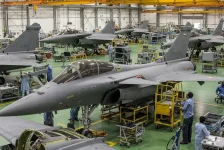
A central pillar of the proposed agreement is the "Make in India" component, which envisages the 114 fighters being manufactured domestically. The production line is likely to be established at the existing Dassault Reliance Aerospace Limited (DRAL) facility in Nagpur.However, significant structural changes to the joint venture are on the horizon. Sources indicate that Dassault Aviation is keen to acquire full ownership of the manufacturing plant by buying out the stake currently held by Anil Ambani’s Reliance Defence.
This acquisition, subject to approval from the Ministry of Defence, would grant the French aerospace giant complete control over the facility, which would then undergo massive upgrades to support full-scale fighter production.
Under the negotiated terms, the Indian-manufactured Rafales will feature approximately 60 per cent indigenous content. This includes the complex fabrication of complete airframes within India, marking a major leap in the transfer of technology and aligning with the government's Atmanirbhar Bharat vision for defence production.
Technical Edge: F4 and F5 Standards
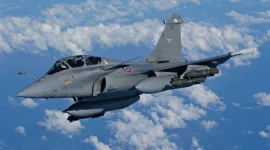
The proposed fleet is expected to comprise a mix of the latest Rafale F4 standard and the future-ready F5 variant, ensuring the IAF maintains a qualitative edge in the region.- Rafale F4: Currently being inducted by the French Air Force, this standard focuses on network-centric warfare. It features the Thales Scorpion helmet-mounted display, improved radar sensors, and the integration of the 1,000 kg AASM "Hammer" precision-guided munition. It offers enhanced connectivity, allowing the aircraft to act as a data node within a larger combat network.
- Rafale F5: Expected later in the decade, the F5 standard is designed for the future air combat environment. It will introduce advanced capabilities in manned-unmanned teaming (MUM-T), allowing the Rafale to control "loyal wingman" combat drones such as the nEUROn. The F5 will also feature next-generation data fusion and deep-strike capabilities, specifically tailored for suppression of enemy air defences (SEAD).
Strategic Implications and Timeline
While the G2G route offers a faster procurement process, officials have cautioned that the industrial setup will still require time.It is estimated that at least three years will be needed to upgrade the Nagpur infrastructure, certify Indian supply chain partners to Dassault’s global standards, and train a skilled local workforce.
Once operational, however, the facility is expected to serve a dual purpose. Beyond fulfilling the IAF’s requirements, the Indian production line is projected to become a global export hub for Dassault Aviation.
This would integrate India deeply into the global supply chain of one of the world's most advanced multi-role fighters, securing long-term industrial benefits for New Delhi while ensuring the sustainability of the Rafale programme for France.