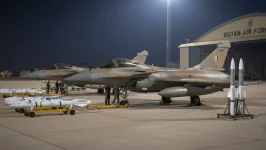
India’s strategic initiative to procure 114 additional Rafale fighter jets has gained significant momentum following recent clarifications from Defence Secretary Rajesh Kumar Singh.
The proposed acquisition is set to mirror the successful 2016 government-to-government (G2G) deal for 36 aircraft, ensuring a streamlined process while substantially boosting the nation’s self-reliance in defence manufacturing.
A Proven G2G Framework
The upcoming procurement of 114 jets will adhere to the same trusted G2G model that facilitated the Indian Air Force’s (IAF) previous induction of Rafale fighters.The agreement will be executed directly between the Indian and French governments, providing sovereign guarantees and firm assurances from both nations.
Under this arrangement, Dassault Aviation will focus strictly on execution—delivering aircraft that meet precise technical specifications and managing agreed-upon manufacturing protocols.
This direct engagement eliminates intermediaries and avoids unnecessary complexities, fostering the same transparent collaboration that ensured the timely delivery and seamless integration of the initial 36 jets into the IAF’s combat fleet.
By committing at the highest governmental level, both sides aim to minimize risk, ensure strict accountability, and accelerate the induction process to address regional security challenges.
Historic 'Make in India' Milestone
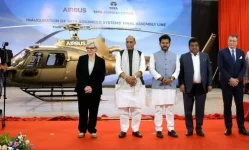
Defence Secretary Singh emphasized that this deal represents a paradigm shift for the Indian aerospace sector.For the first time, the Rafale fighter will be manufactured outside France, with production lines established in India. This move marks a historic milestone under the 'Make in India' initiative.
Negotiations are focused on achieving deep industrial localization.
While Dassault Aviation initially offered approximately 40% indigenous content, India is firmly pushing to increase this to 50% or higher. This ensures the deal is not merely a purchase but a capability-building exercise.
Indian industry partners are expected to play a pivotal role in the supply chain, production, and long-term maintenance, thereby generating employment, facilitating high-end technology transfer, and strengthening the domestic aerospace ecosystem.
Operational Flexibility and Timelines
The acquisition structure is designed for both immediate readiness and long-term capacity building.A smaller initial batch of aircraft will be delivered in "fly-away" condition to ensure quick induction, while the majority will be manufactured domestically. This phased approach allows Indian partners to absorb critical technical know-how progressively.
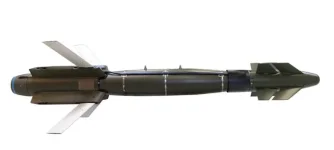
Crucially, the agreement retains a non-negotiable clause giving India full authority to integrate indigenous weapons and systems onto the jets. This sovereign flexibility allows the IAF to tailor the platform to specific operational requirements without external restrictions.
According to the Defence Secretary, deliveries are projected to commence in 2028. The induction timeline is expected to begin with the naval variants—synergizing with the Indian Navy's requirements—before transitioning to IAF-specific fighters approximately three and a half years later.
This clarity from the top leadership underscores India's robust negotiating position and its strategic intent to combine proven combat capabilities with the goals of Atmanirbhar Bharat.