- Views: 3K
- Replies: 7
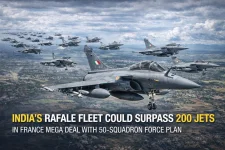
The Indian government has moved decisively to address the Indian Air Force’s (IAF) fighter squadron shortage, with the Defence Acquisition Council (DAC) recently granting approval for the procurement of 114 Dassault Rafale fighter jets.
This monumental decision, estimated at approximately ₹3.25 lakh crore, signals a strategic shift from a simple purchase to a comprehensive force development partnership with France.
While the headline figure of 114 aircraft is significant, defence planners have structured the potential contract to include flexible mechanisms for future expansion, ensuring the IAF can scale its capabilities rapidly without the bureaucratic delays of new tenders.
A central pillar of this acquisition strategy is a strong focus on indigenization, aligning with the ‘Make in India’ initiative.
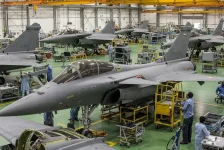
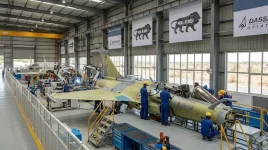
Current proposals suggest that while an initial batch—likely 18 jets—will be delivered in fly-away condition, the vast majority, approximately 90 to 96 aircraft, will be manufactured domestically.
This production run is expected to incorporate the advanced F4+ standard, which features superior connectivity and sensor enhancements.
Furthermore, the roadmap includes provisions for transitioning to the futuristic F5 standard for one or two squadrons, equipping the IAF with next-generation capabilities such as manned-unmanned teaming and control over loyal wingman drones.
The technological leap provided by the F4+ configuration is substantial, offering improvements in radar cross-section reduction, jamming resistance, and data fusion that far exceed legacy platforms.
These jets are designed to operate as network nodes, sharing real-time target data across the battlespace.
The subsequent F5 standard pushes this envelope further by integrating artificial intelligence and advanced suppression of enemy air defence (SEAD) capabilities, ensuring relevance in high-threat environments well into the 2040s.
To ensure operational fluidity and ease of maintenance, the IAF plans to bring its existing fleet of 36 Rafale jets—currently at the F3R standard—up to the new F4+ baseline.
This unification of standards across the fleet is critical for logistics, as it allows for interchangeable parts, standardized training modules for pilots and ground crew, and synchronized mission planning.
The decision also complements the Indian Navy’s separate procurement of 26 Rafale-Marine jets, creating a cohesive dominance in both air and maritime domains.
Perhaps the most astute financial component of the proposed deal is the inclusion of a ‘fixed-price option’ clause.
Sources indicate that the contract is likely to empower the IAF to order two to three additional squadrons—beyond the initial 114—at prices locked in during the current negotiations.
This clause acts as a hedge against future inflation, currency fluctuation, and the rising costs of raw materials, which typically plague long-term defence contracts.
This forward-looking financial structure allows the government to bypass the arduous process of fresh commercial negotiations, which can often take years to finalize.
By securing an option for follow-on orders now, the Ministry of Defence retains the agility to bolster force levels immediately in response to changing geopolitical security dynamics.
This mechanism effectively future-proofs the acquisition, saving both time and taxpayer money while maintaining the momentum of military modernization.
Ultimately, this program is poised to result in the formation of at least seven new Rafale squadrons, transforming the IAF’s combat potential.
When combined with the upgraded legacy fleet, this substantial influx of 4.5+ generation fighters will provide India with a potent, technologically harmonized air power capable of executing a wide range of missions, from deep surgical strikes to air superiority, across both the western and northern frontiers.