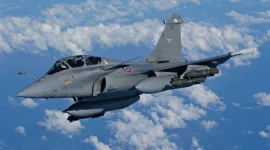
As negotiations for India’s acquisition of 114 multi-role fighter aircraft progress, the framework for the Rafale deal is drawing significant parallels to the successful Su-30MKI programme.
This strategic approach aims to replicate the domestic manufacturing achievements of the Russian-origin fleet while demanding more comprehensive Transfer of Technology (ToT) and deeper industrial integration.
A Proven Blueprint for Strategic Autonomy
The current Indo-French negotiations reflect a strategy first established during the landmark agreement with Russia to produce 240 Su-30MKI jets within India.That initiative was more than a simple purchase; it established a domestic aerospace ecosystem managed by Hindustan Aeronautics Limited (HAL).
This model has proven its worth in recent years. While the ongoing conflict in Ukraine has disrupted global Russian defence supply chains, the Indian Air Force (IAF) has maintained the operational readiness of its Su-30MKI fleet.
This stability is a direct result of having a robust local infrastructure for assembly, integration, and maintenance, which shields the fleet from external geopolitical shocks.
Evolution from Assembly to Deep Localisation
The proposed deal for 114 Rafale jets—often referred to under the Multi-Role Fighter Aircraft (MRFA) programme—seeks to evolve beyond the "licensed production" seen in previous decades. While the Su-30MKI programme focused on assembling aircraft from raw materials in India, the Rafale negotiations are prioritising:- Subsystem-Level Manufacturing: Moving beyond "screwdriver assembly" to producing complex internal components.
- Structured ToT: Securing quantified and enforceable commitments for technical knowledge transfer.
- Supply Chain Independence: Ensuring that India is not reliant on foreign entities for spare parts, routine upgrades, or long-term sustainment over the aircraft’s 40-year lifespan.
Strengthening the National Industrial Base
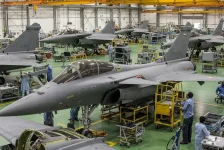
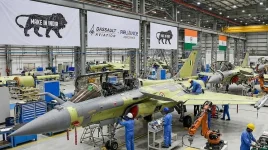
A central goal of the "Make in India" initiative within the defence sector is the creation of a resilient supplier network.By establishing a Rafale production line domestically, India aims to anchor hundreds of local MSMEs (Micro, Small, and Medium Enterprises) into the global aerospace supply chain.
Open-source data indicates that Safran, the manufacturer of the Rafale’s M88 engines, is already in talks with Indian partners regarding the potential for full engine manufacturing and maintenance, repair, and overhaul (MRO) facilities in India.
This level of localization was not fully realised in earlier fighter programmes and represents a significant leap in ambition.
| Feature | Su-30MKI Programme | Proposed Rafale MRFA Deal |
|---|---|---|
| Primary Model | Licensed Production | Deep Localisation & ToT |
| Local Partner | HAL (Public Sector) | Likely Strategic Partnership (Public & Private) |
| Focus | Airframe & Engine Assembly | Subsystems, Software, & Weapon Integration |
| Strategic Goal | Operational Stability | Supply Chain Sovereignty |
Technical Integration and Future Prospects
Unlike previous projects where Indian avionics were deeply embedded into the aircraft’s core architecture, the Rafale deal is expected to maintain the baseline French mission computers.Instead, the focus will remain on "manufacturing depth"—the ability to build the aircraft from the ground up—and the integration of an indigenous weapon ecosystem. This ensures the jets can deploy Indian-made missiles and munitions without requiring constant foreign intervention.
As the geopolitical landscape becomes increasingly complex, the Rafale deal stands as a test of India’s ability to turn a major procurement into a long-term industrial victory.
By refining the Su-30MKI playbook, the government seeks to ensure that the IAF remains a potent force, backed by a defence industry that is both self-reliant and technologically advanced.