- Views: 2K
- Replies: 1
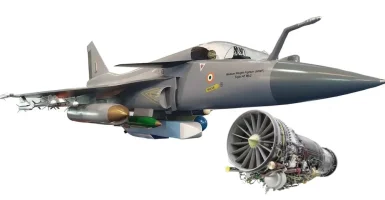
India’s upcoming medium-weight fighter, the Tejas Mk2, is undergoing a significant design evolution with the decision to adopt an external podded gun configuration.
This move represents a departure from the internal cannon layout seen in the earlier Tejas Mk1 and Mk1A variants.
Engineers have opted to remove the fixed internal gun to create vital space within the airframe, which will now be utilised for a new multipurpose internal station.
This shift highlights a strategic focus on optimising the aircraft’s design to meet the changing demands of modern aerial warfare.
The transition to an external gun pod addresses one of the most critical challenges in modern fighter jet design: the scarcity of internal volume. By relocating the cannon to a detachable exterior pod, designers can reclaim premium space inside the fuselage.
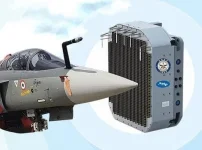
This reclaimed area is slated to house a multipurpose station capable of hosting advanced avionics, sophisticated electronic warfare (EW) suites, or other mission-specific hardware.
Open-source data suggests this space may be pivotal for integrating systems such as the Unified Electronic Warfare Suite (UEWS) or high-speed mission computers, which are essential for the aircraft’s 4.5-generation capabilities.
In the context of contemporary air combat, the internal capacity of a fighter jet is increasingly prized for housing sensors, data processors, and essential cooling units rather than mechanical ammunition feeds.
The Tejas Mk2 design team has determined that moving the gun to an external hardpoint offers a more effective balance between maintaining close-range combat options and integrating the high-tech systems required for networked warfare.
This decision aligns with global trends where "sensor-to-shooter" capabilities often take precedence over traditional dogfighting features.
From an operational standpoint, the podded gun configuration offers superior flexibility to the Indian Air Force. Pilots will have the option to attach the gun pod only when the mission profile specifically requires close-quarter kinetic support.
For missions where a cannon is unnecessary—such as long-range standoff strikes or reconnaissance—the aircraft can fly without the pod.
This "clean" configuration reduces aerodynamic drag and lowers the aircraft's radar cross-section (RCS), thereby improving its range and survivability in contested airspace.
Ultimately, this design choice underscores the emphasis on modularity and future-proofing in the Tejas Mk2 programme.
As this aircraft is intended to bridge the operational gap between the lighter Tejas Mk1A and future fifth-generation platforms like the AMCA (Advanced Medium Combat Aircraft), the priority has shifted toward sensor dominance.
By relying on an external solution for the gun, the Tejas Mk2 ensures it remains a potent platform for electronic and networked warfare while retaining the ability to deploy kinetic firepower when the situation demands it.