- Views: 4K
- Replies: 11
The Indian Air Force (IAF) has reportedly reached a critical decision point regarding its future fighter fleet.
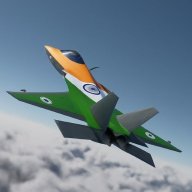
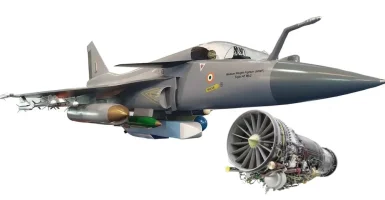
Following a series of strategic reviews throughout 2025, the requirement for the Tejas Mk2—a medium-weight fighter jet—has solidified well beyond initial estimates.
While earlier projections suggested a procurement of around 120 aircraft, sources indicate that the IAF has now communicated a firm necessity for at least 220 to 250 airframes over the next decade and a half.
Senior officials have reportedly conveyed to the Ministry of Defence that acquiring six to seven squadrons of the Mk2 is the absolute minimum required to maintain combat readiness.
This expanded fleet is essential to fill the vacuum left by the retiring MiG-21 Bisons, Mirage 2000s, and the Jaguar fleet, particularly as the fifth-generation Advanced Medium Combat Aircraft (AMCA) programme is still in its development phase.
The Production Bottleneck
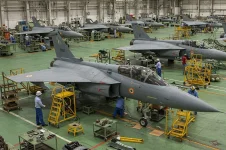
The central challenge facing this ambitious acquisition plan is the manufacturing capacity of the state-owned Hindustan Aeronautics Limited (HAL).The defence public sector undertaking is currently managing a massive order book, which includes 180 Tejas Mk1A fighters, 156 Light Combat Helicopters (LCH Prachand), and extensive upgrade programmes for the Su-30MKI.
Even with the planned commissioning of a new production line in Nashik by 2029–30, analysts estimate that HAL’s production rate for the Tejas Mk2 would cap at roughly 16 to 18 units per year.
At this pace, fulfilling the complete order would take until 2045—a timeline that is strategically untenable for the IAF, which requires these squadrons to be operational by the early 2030s to counter regional threats.
The Case for Private Sector Participation
Experts argue that the solution lies in engaging India’s growing private defence sector.A consortium involving major players like Tata Advanced Systems or Mahindra Aerospace, potentially in partnership with global giants such as Lockheed Martin or Saab, could provide the necessary industrial bandwidth.
These entities are already being considered for the AMCA programme under the Strategic Partnership (SP) model.
Proponents of this approach highlight several key advantages:
- Technological Synergy: There is a significant overlap in manufacturing technologies between the Tejas Mk2 and the upcoming AMCA. Approximately 70–75% of the processes—including carbon-composite wing fabrication, digital fly-by-wire systems, and the integration of the GaN-based Uttam radar—are common to both platforms. A private production line that masters the Tejas Mk2 would effectively be preparing the groundwork for the fifth-generation fighter.
- Scalability: A greenfield facility designed for the AMCA could be established earlier to produce the Tejas Mk2. Projections suggest such a facility could deliver 24–30 jets annually starting from 2031, aligning perfectly with the IAF's induction schedule.
- Cost Efficiency: Historical data suggests competitive pricing from the private sector. Previous bids for the Tejas Mk1A from private entities were estimated to be 18–22% lower than HAL’s quotations, a cost benefit that would likely extend to the Mk2 programme.
A Proposed Roadmap for 2026 and Beyond
To meet the urgent requirements of the IAF, a new procurement roadmap has been proposed by defence analysts:- 2026: The release of a global Request for Proposal (RFP) to select a private Strategic Partner for building 250 Tejas Mk2 aircraft, including trainers, with full Transfer of Technology (ToT) from the Aeronautical Development Agency (ADA) and HAL.
- 2027–28: Finalisation of contracts and commencement of facility construction.
- 2030: Rollout of the first Tejas Mk2 from the private production line.
- 2031–2040: A sustained delivery rate of 25–30 aircraft per year.
Conclusion
The Tejas Mk2 is no longer viewed merely as a developmental project for the Defence Research and Development Organisation (DRDO); it has evolved into the "bridge fighter" essential for the IAF’s survival until the indigenous fifth-generation platforms mature.With the GE F414 engine deal with the United States already clearing the path for propulsion, the technology is ready.
The consensus emerging among defence planners is that ending the monopoly on fighter production is the only viable way to ensure the IAF does not face a depleting squadron strength in the coming decade.