- Views: 3K
- Replies: 3
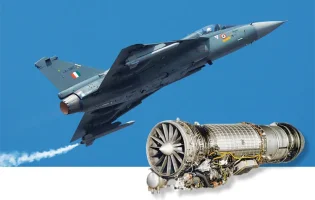
The Indian Air Force’s (IAF) indigenous fighter training programme has achieved a key logistical milestone with Hindustan Aeronautics Limited (HAL) formally handing over six Tejas twin-seat trainer aircraft.
These deliveries mark the partial fulfilment of an initial production batch, with two remaining aircraft from this specific lot currently awaiting final transfer.
Originally, these eight trainers were conceptualised as part of an earlier Tejas Mk1 production roadmap, designed to be manufactured at a later phase to align with the expanding fleet of the Light Combat Aircraft (LCA).
The Strategic Role of the Trainer Variant
As the IAF inducts more indigenous fighters, the role of the trainer variant becomes increasingly critical to national defence.Unlike the single-seat jets designed purely for combat, these twin-seat variants serve as the foundational classroom for pilots transitioning to the frontline.
They enable instructors to oversee and correct flight parameters in real-time, manage complex emergency simulations, and guide trainees through advanced weapon systems usage.
To sustain a high rate of sortie generation and ensure a continuous stream of combat-ready aviators, the availability of these dedicated platforms is a non-negotiable requirement for the Air Force.
A Growing Order Book
This recent delivery is part of a much broader procurement strategy that underscores the government's long-term investment in the Tejas ecosystem.Beyond the initial eight trainers, the framework for the IAF's requirements has expanded significantly over the last few years:
- 2021 Contract: A deal for 83 Tejas Mk1A aircraft was signed, which included a provision for 10 trainer aircraft alongside 73 fighters.
- 2025 Contract: Momentum surged with a major follow-up order signed in September 2025 for 97 additional Tejas Mk1A jets. This package comprises 29 twin-seat trainers and 68 single-seat fighters.
Accelerating Production and Industrial Impact
For HAL, the production of these trainers is central to the lifecycle of the entire Tejas programme, rather than a mere subsidiary task.Building a twin-seat variant is technically demanding; it requires significant structural changes to the airframe to accommodate a second pilot without compromising the jet's aerodynamic stability.
It also involves complex integration of dual-cockpit avionics and mission systems.
To meet the formidable delivery timelines, HAL has ramped up its industrial capabilities.
Recent open-source reports indicate the inauguration of a third production line in Nashik to run parallel with the Bengaluru facilities, aiming to increase the annual production rate to 24 aircraft.
This acceleration is vital not only for meeting the IAF's deadlines but also for stabilising the supply chain and assembly processes across the defence manufacturing sector.
Bridging Acquisition and Capability
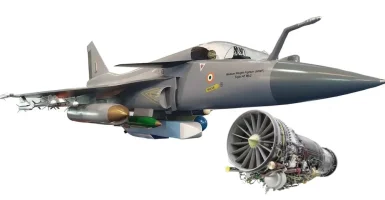
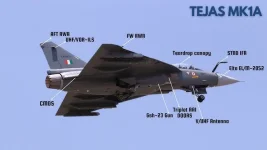
For the Indian Air Force, the arrival of these trainers is the bridge between purchasing hardware and fielding actual combat power.The upgraded Tejas Mk1A fighters feature advanced Active Electronically Scanned Array (AESA) radars, modern electronic warfare suites, and easier maintainability.
To exploit these capabilities fully, pilots require rigorous training on the twin-seat versions to standardise operating procedures and minimise operational risks.
As the production line for the remaining 41 aircraft speeds up, the induction of these trainers will directly dictate the pace at which new Tejas squadrons can be declared fully operational.