- Views: 4K
- Replies: 16
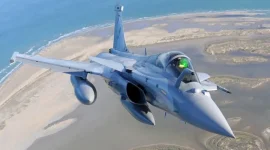
Following the finalisation of the Rafale fighter jet acquisition from France, the Indian government is now prioritising the procurement of fifth-generation stealth technology to bolster its aerial combat capabilities.
The Ministry of Defence is currently exploring various avenues to bridge a critical gap in its inventory, with Russia’s Sukhoi Su-57 emerging as a primary candidate for an interim solution.
Assessing the Su-57 as a Strategic Bridge
The Su-57 "Felon" recently gained significant attention during flight exhibitions in Bengaluru, signaling Moscow's intent to offer the platform to New Delhi.Indian military planners view the Russian jet as a potential "stopgap" while the country waits for its own domestic stealth project to mature.
Key advantages for the Su-57 include:
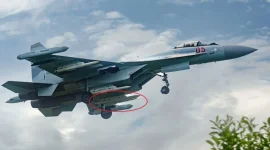
- Logistical Synergy: The Indian Air Force (IAF) already operates a massive fleet of Sukhoi Su-30MKIs, meaning existing maintenance infrastructure and training pipelines could be adapted for the newer jet.
- Technical Consultations: Reports indicate that Russian technical teams have already visited Hindustan Aeronautics Limited (HAL) facilities in Nashik to evaluate local assembly possibilities.
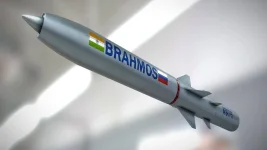
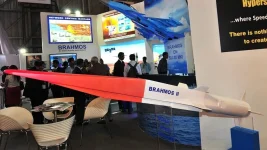
- Operational Freedom: Unlike Western platforms, Russian systems typically allow India greater autonomy to integrate indigenous weapons, such as the BrahMos cruise missile.
The Regional Stealth Race
The shift in focus is largely driven by rapid advancements in the neighbourhood. China has already operationalised its Chengdu J-20 fleet and is actively testing the carrier-based J-35.Furthermore, Beijing has reportedly committed to providing advanced stealth aircraft to Pakistan, a move that follows the regional tensions of May 2025. This development has forced Indian planners to re-evaluate the long-term balance of power across both the northern and western borders.
The Indigenous AMCA Roadmap
While foreign platforms are being considered for the short term, India remains committed to the Advanced Medium Combat Aircraft (AMCA) programme.- Timeline: The first prototype is expected to roll out by late 2026 or early 2027, with a maiden flight targeted for 2028-2029.
- Partnerships: In a significant shift, the government has invited private sector giants like Tata Advanced Systems and Larsen & Toubro to lead prototype development alongside HAL to accelerate the 2035 induction goal.
- Capabilities: The AMCA is designed as a 25-tonne stealth fighter featuring internal weapons bays and advanced sensor fusion to ensure superiority in highly contested airspace.
Caution Over the American F-35
Despite public comments from US leadership regarding the F-35 Lightning II, New Delhi has not entered formal negotiations for the American jet.High-level sources suggest India is wary of the strict operational oversight and maintenance restrictions that often accompany US defence exports.
The IAF prefers to maintain "integration autonomy," ensuring they can modify aircraft and use domestic munitions without needing foreign approval or the constant presence of overseas technicians.
Next Steps
The Ministry of Defence is expected to conduct thorough technical evaluations of the Su-57’s stealth characteristics, engine performance, and avionics before moving toward formal contract talks.The final decision will balance the immediate need for a stealth deterrent against the long-term goal of achieving self-reliance in aerospace manufacturing.