- Views: 2K
- Replies: 13
The Indian Air Force (IAF) is currently facing one of the most critical shortages of combat aircraft in its history.
As of mid-2026, the number of active fighter squadrons has dropped to between 29 and 31. This is significantly short of the 42 squadrons officially mandated to successfully manage a simultaneous two-front threat from China and Pakistan.
This sharp decline is primarily due to the rapid phasing out of older aircraft, most notably the final retirement of the legacy MiG-21 Bison fleet in 2025.
The resulting gap in operational readiness has become a major priority for defence planners, especially following the strategic lessons learned during Operation Sindoor last year.
A standard fighter squadron usually contains 16 to 18 jets. Based on the current numbers, the IAF has a total combat force of roughly 500 to 550 modern and older fighters.
In contrast, China operates an estimated fleet of over 1,200 combat aircraft, while Pakistan fields around 450.
The complete withdrawal of the MiG-21s pushed the IAF’s strength to a decades-long low. This has sparked serious discussions regarding India's ability to maintain air superiority, conduct long-range strike missions, and endure a prolonged, high-intensity conflict.
This shortage has not happened overnight; it is the result of decades of delayed purchasing decisions, slow domestic manufacturing, and tight budgets.
Back in the 1990s and early 2000s, the IAF proudly operated over 40 squadrons. However, as older jets were retired over the years, new replacements did not arrive fast enough.
The ageing Jaguar strike fleet is also being slowly withdrawn, worsened by ongoing maintenance challenges and a lack of spare parts—prompting the IAF to recently acquire retired Jaguar airframes from the United Kingdom just to keep the current fleet flying.
The realities of the May 2025 Operation Sindoor, which involved complex aerial engagements, made it clear that operating with limited aircraft makes it incredibly difficult to manage combat air patrols, provide escort cover, and respond swiftly across India’s extensive borders.
To stop this downward trend and rebuild the fleet, the IAF and the Ministry of Defence are actively working on several immediate and long-term solutions:
The Push for Tejas Mk1A
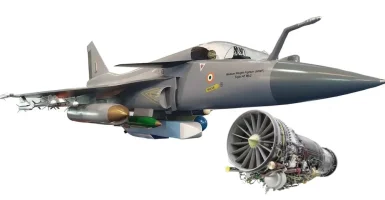
The indigenous Light Combat Aircraft (LCA) Mk1A is the primary short-term solution for the squadron shortage.With a massive order of 180 aircraft (83 initial plus 97 additional), Hindustan Aeronautics Limited (HAL) is working hard to speed up production.
While the programme previously faced hurdles due to delayed deliveries of F404 engines from the United States, recent reports indicate the supply chain is stabilising.
The first deliveries to the IAF are now expected to begin by September 2026, with HAL aiming to deliver up to 24 jets by the end of the year.
These fighters, which feature advanced radar and modern weaponry, are slated for deployment at bases in Rajasthan.
Advancing the Rafale Deal
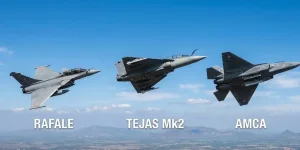
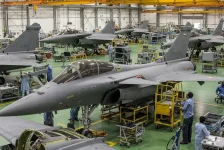
To bring in highly advanced capabilities quickly, the government is moving forward with the Multi-Role Fighter Aircraft (MRFA) programme to acquire 114 Dassault Rafale jets.Recent developments suggest that the Ministry of Defence issued a Letter of Request (LoR) for this multi-billion-dollar procurement in late May 2026. This acquisition will add cutting-edge 4.5-generation fighters to the two Rafale squadrons already in service.
Furthermore, a proposed partnership with Tata for local manufacturing is expected to increase domestic production capabilities and ensure reliable maintenance support for the future.
Looking Ahead: Tejas Mk2 and AMCA
For the medium to long term, the Medium Weight Fighter (Tejas Mk2) is intended to serve as a crucial stepping stone, although discussions continue regarding its overall cost and timeline.At the same time, India is pushing forward with the Advanced Medium Combat Aircraft (AMCA) project to develop a fifth-generation stealth fighter.
The goal is to see prototype test flights by the late 2020s, with plans to eventually equip more than six squadrons by 2035.
While waiting for these new jets, the IAF is relying on emergency purchases, upgrades to the existing Mirage 2000 and Su-30MKI fleets, and a heavier reliance on unmanned aerial vehicles (UAVs) and drone technology.
Defence officials are also considering raising the officially required squadron strength to between 50 and 56, based on modern warfare insights gained after Operation Sindoor.
Ultimately, the current shortage of fighter jets poses a direct risk to India’s military deterrence.
With China deploying advanced J-20 stealth fighters and Pakistan adding modern J-10C jets to its ranks, the IAF's numerical disadvantage is a pressing concern.
However, the urgency created by recent border tensions and Operation Sindoor has revitalised the military procurement process.
Backed by record defence budgets, greater involvement from private Indian companies, and faster decision-making, the IAF is laying the groundwork to close this critical gap over the next ten years.
Success will depend heavily on HAL meeting its Tejas delivery targets and the swift signing of the new Rafale contract.
Until those new jets are parked on the tarmac, the IAF will rely on better maintenance, drones, and networked warfare to get the most out of the aircraft it currently has.