- Views: 1K
- Replies: 2
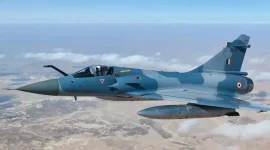
The Dassault Mirage 2000, affectionately known as 'Vajra' within the Indian Air Force (IAF), was once celebrated as the ultimate fighter jet.
Renowned for its sleek delta-wing design, remarkable precision strike abilities, and a proven track record during the Kargil War, the aircraft is now showing its age.
A platform that redefined aerial combat in the 1980s and 1990s has transformed into a heavy maintenance burden.
Today, it struggles with persistent shortages of spare parts, soaring upgrade costs, and capabilities that are increasingly misaligned with the rigorous demands of modern warfare.
Currently, the IAF fields roughly two squadrons of Mirage 2000H and 2000I jets.
While a comprehensive mid-life upgrade equipped these fighters with improved glass cockpits, modernised radar systems, MICA missiles, and updated electronic warfare packages, significant hurdles remain.
Because Dassault Aviation halted production of the Mirage 2000 long ago, India has been forced to scour the globe for retired airframes.
Recent efforts have included acquiring second-hand jets from France and exploring deals with Greece, strictly to strip them down for critical spare parts to keep the active fleet flying.
Even after injecting billions into modernisation, fundamental capability gaps persist.
The active fleet lacks the widespread integration of modern Active Electronically Scanned Array (AESA) radars, features outdated engines, and possesses limited compatibility with the latest networked battlefield technologies and next-generation weapons.
The yearly cost to overhaul and maintain these jets has surged exponentially, and serviceability continues to take a hit due to a heavy reliance on foreign manufacturers for components that are either entirely obsolete or overwhelmingly expensive.
Consequently, to maintain adequate squadron numbers—especially as the IAF prepares to phase out its ageing Jaguar strike fleet starting around 2028—planners are now looking to stretch the Mirage 2000's service life.
Originally slated for retirement in 2035, the Mirage fleet is now expected to fly until 2038 or 2039, a move made possible by continued technical backing from Dassault.
This predicament clearly highlights the inherent dangers of depending on imported military hardware for decades without securing full technology transfer or establishing domestic production capabilities.
The ongoing struggles with the Mirage fleet—from navigating embargoes on spare parts following the 1998 nuclear tests to scrambling for retired foreign jets in recent years—stand as a stark warning for India's defence planners.
The most viable solution to this capability gap is the rapid acceleration of domestic fighter programmes.
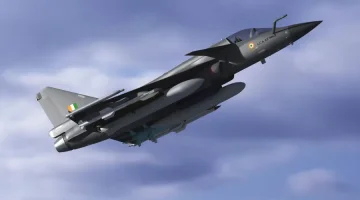
The Tejas Mk2, a Medium Weight Fighter, is designed to be the direct replacement for the Mirage 2000.
It promises a larger airframe, the more powerful GE F414 engine, the indigenous Uttam AESA radar, enhanced payload capacity, and a much higher percentage of locally manufactured components.
Recent updates from the Aeronautical Development Agency (ADA) indicate the Tejas Mk2 is advancing quickly, with its maiden flight anticipated by mid-2026.
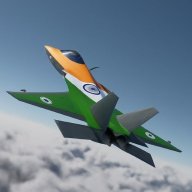
Looking further ahead, the Advanced Medium Combat Aircraft (AMCA)—India’s ambitious fifth-generation stealth fighter, whose first prototype is expected to roll out by late 2026 or early 2027—will eventually deliver the technological superiority required for future combat scenarios.
However, ensuring the success of these vital transitions demands absolute commitment from all levels of government and the defence sector.
These indigenous projects require stable financial backing, accelerated decision-making processes, robust involvement from private industries, and strict protection against bureaucratic roadblocks.
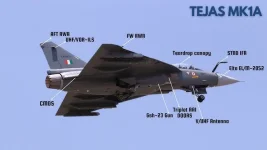
The initial development of the Tejas Mk1 demonstrated that, with persistent effort, domestic programmes can evolve from facing heavy criticism to delivering genuine combat capability.
That same level of dedication is now crucial to ensure the Tejas Mk2 is produced in significant numbers and the AMCA avoids the severe delays and budget overruns that have historically plagued foreign fleet acquisitions.
There is no denying that the Mirage 2000 has provided exceptional service during some of India's most critical moments.
Yet, the best way to honour that legacy is to heed the lessons it leaves behind: the nation's core combat readiness must never again be held hostage by overseas supply chains and spiralling import costs.
Fully funding and prioritising the development of homegrown fighter jets is no longer just a preferred option; it is an absolute necessity for securing India's strategic independence and maintaining operational dominance in a highly volatile region.