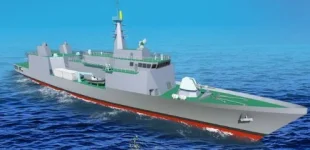
India is on the threshold of a major upgrade to its maritime combat strength. The highly anticipated New Generation Corvettes (NGC) programme, valued at nearly ₹40,000 crore, is currently awaiting the ultimate green light from the Prime Minister-led Cabinet Committee on Security (CCS).
This monumental project will deliver eight state-of-the-art corvettes to the Indian Navy, significantly boosting the country’s maritime defence capabilities and cementing its commitment to self-reliance.
Driving this initiative under the "Atmanirbhar Bharat" banner are two prominent domestic shipbuilders: Garden Reach Shipbuilders and Engineers (GRSE) in Kolkata and Goa Shipyard Limited (GSL).
Recent bidding results indicate that GRSE emerged as the primary constructor to build five of these advanced warships in a deal worth approximately ₹25,000 crore, while GSL will manufacture the remaining three.
This collaborative domestic approach not only reduces dependence on foreign imports but also revitalises the local shipbuilding industry.
Although smaller than traditional destroyers and frigates, corvettes are highly prized for their speed, adaptability, and manoeuvrability.
The new vessels are expected to feature a heavier displacement of around 3,500 tonnes and a length of just under 120 metres.
Capable of reaching top speeds exceeding 27 knots, they will be deployed for a variety of critical operations, including anti-submarine warfare, surface engagements, and coastal defence.
These modern warships will eventually take the place of the Indian Navy's older Khukri and Kora-class corvettes. Many of these veteran ships have faithfully served for over two to three decades and are rapidly nearing retirement.
To maintain a robust and combat-ready fleet, the timely introduction of these next-generation replacements is absolutely essential over the coming years.
Compared to their predecessors, the NGCs will be armed with vastly superior technology and firepower.
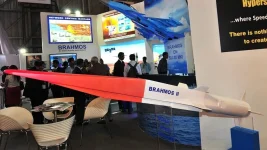
Open-source specifications suggest they will be equipped with formidable weaponry, including BrahMos surface-to-surface cruise missiles, advanced surface-to-air missile systems, torpedoes, and rapid-fire deck guns.
Additionally, the inclusion of modern radar systems and stealth design features will greatly improve their survivability and combat effectiveness in hostile environments.
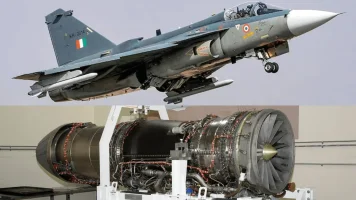
A core focus of this project is the heavy integration of indigenous technology. The vast majority of the vessels' components, sensors, and weapons will be manufactured within India.
This strategy perfectly aligns with the nation's broader goal of establishing a self-sustaining defence manufacturing sector.
Both GRSE and GSL have a strong history of constructing complex naval vessels.
By splitting the order between these two capable shipyards, the Ministry of Defence aims to accelerate the manufacturing process and ensure timely deliveries.
Once the CCS grants its final approval, the physical construction of the ships is projected to begin later this year.
The Indian Navy anticipates welcoming the first of these new corvettes into its ranks by 2030, with the remaining seven vessels following at steady annual intervals to ensure a seamless fleet transition.
At present, India’s naval forces operate a diverse mix of older corvettes alongside newer models like the Kamorta class.
The successful induction of the eight NGCs will not merely replace ageing hulls; it will equip the Indian Navy with a highly capable, future-proof fleet ready to secure the nation's maritime interests for decades to come.