On 26 March 2026, the Gas Turbine Research Establishment (GTRE)—a premier Bengaluru-based laboratory of the DRDO—officially closed the submission window for its Expression of Interest (EOI).
This search aims to identify a Development-cum-Production Partner (DcPP) for the country's Advanced High Thrust Class Aero Engine (AHTCE).
The strict adherence to the deadline, with offers opened the following day, highlights the priority the government places on this fast-tracked initiative.
Breaking the Reliance on Foreign Powerplants
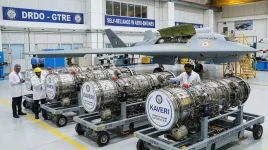
Historically, the Indian aerospace sector has relied heavily on imported powerplants, such as the American GE F404 and F414 engines used in the Tejas fighter fleet.While the earlier indigenous Kaveri engine programme provided foundational knowledge, it did not achieve the thrust levels required for modern, heavy combat jets.
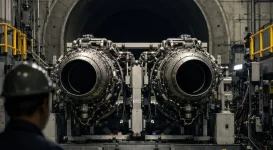
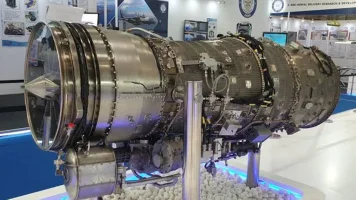
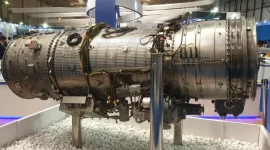
The new AHTCE programme seeks to overcome this hurdle by developing a robust 120 kN class turbofan engine.
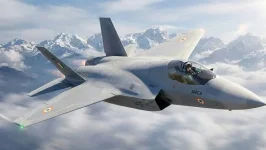
This high-performance engine is specifically intended for the Advanced Medium Combat Aircraft (AMCA)—India's upcoming fifth-generation stealth fighter.
While the initial batch of AMCA Mk-1 fighters is slated to utilise existing GE engines, the advanced AMCA Mk-2 demands this new 120 kN indigenous powerplant to achieve supercruise capabilities and high manoeuvrability without compromising its stealth profile.
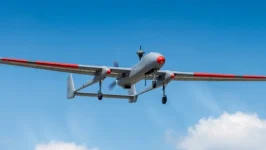
The engine is also expected to power future heavy unmanned combat aerial vehicles (UCAVs).
The Role of the Industry Partner
Under this new manufacturing framework, GTRE will maintain the core design authority, while the selected industry partner will take on heavy manufacturing and integration responsibilities.The chosen firm will oversee the production of roughly 2,500 individual components, managing the final assembly, quality control, and certification support.
The ambitious production roadmap includes:
- Constructing approximately 18 test engines during a decade-long development phase.
- Scaling up to a series production of up to 200 units.
This strategy aims to cultivate a comprehensive domestic defence ecosystem capable of handling complex superalloys, advanced manufacturing materials, and digital engine controls.
International Cooperation and the Road Ahead
To accelerate the development timeline, the project remains open to international cooperation.High-level discussions have been ongoing with foreign aerospace giants, notably France's Safran, regarding potential co-development.
The objective of such a partnership is to secure comprehensive technology transfer, ensuring India retains total intellectual property rights and sovereign control over the engine's design and future upgrades.
With the EOI phase now concluded, GTRE is actively evaluating the submissions to shortlist qualified Indian enterprises.
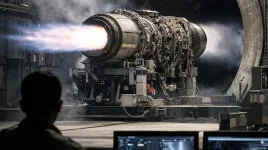
The selected partner will embark on a 10 to 12-year development journey, with the first prototype engine test firing targeted for 2030.