- Views: 5K
- Replies: 23
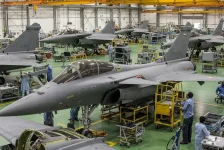
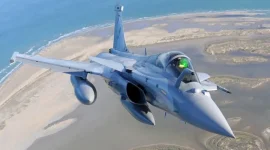
The Indian Ministry of Defence is reportedly nearing a decision on a colossal ₹3.25 lakh crore (approximately $40 billion) procurement of 114 Rafale fighter jets.
While this potential contract is being heralded as a decisive solution to the Indian Air Force’s (IAF) dwindling squadron strength, defence analysts warn it may severely undercut the indigenous Tejas Mk2 programme, disrupting the nation's long-term industrial strategy.
The Indigenous "Bridge" Under Threat
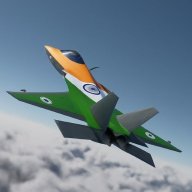
The Tejas Mk2 was conceptualised as the critical bridge in India's fighter development roadmap.It was designed to replace the IAF's ageing medium-weight fleet—specifically the Mirage 2000, SEPECAT Jaguar, and MiG-29 squadrons.
Originally, the IAF projected a requirement for 180 to 200 of these indigenous jets to serve as the new backbone of its combat fleet.
However, the scale of the proposed Rafale acquisition threatens to dismantle these projections.
If the government proceeds with purchasing 114 Multi-Role Fighter Aircraft (MRFA) from France, the Tejas Mk2 order could be effectively capped at approximately 120 aircraft (six squadrons).
The massive financial outlay required for the Rafales would likely absorb the majority of the capital budget for the next decade, leaving little fiscal room for a large-scale indigenous medium fighter programme.
A Squeeze Between Two Giants
The Tejas Mk2 now faces an existential "squeeze" from two directions: the immediate influx of foreign fighters and the future priority of next-generation indigenous platforms.- The Rafale Dominance: With 36 Rafales already in service and 114 more potentially on the way, the IAF’s fleet would host nearly 150 of these French jets. This would make the Rafale, rather than the Tejas Mk2, the dominant medium-weight platform well into the 2040s.
- The AMCA Future: On the other end of the timeline lies the Advanced Medium Combat Aircraft (AMCA), India’s indigenous fifth-generation stealth fighter. With its induction scheduled to begin around 2035, the AMCA will naturally command the bulk of future funding and strategic focus.
Light Fighter Segment Secured; Medium Segment in Flux
While the medium-weight category faces uncertainty, the light fighter segment remains secure.The IAF has effectively locked in its plans for the next decade with firm orders for 83 Tejas Mk1A jets, and a follow-on contract for an additional 97 aircraft is expected shortly.
The disparity lies in the strategic vision for the heavier categories.
The Tejas Mk2 was meant to mature India’s aerospace ecosystem by scaling up the integration of the powerful GE-414 engines and anchoring domestic avionics development.
Shifting the center of gravity to a foreign platform like the Rafale could dilute these industrial gains.
Short-Term Fixes vs Long-Term Strategy
Defence experts point out the irony in the Rafale’s expanding role.The aircraft was initially introduced as an emergency "stopgap" measure comprising just 36 jets. It has since evolved into a potential fleet of 150, fundamentally reshaping the IAF’s force structure around imported hardware.
Recent reports from January 2026 suggest that operational pressures—exacerbated by delays in local manufacturing and urgent threat assessments—are driving this pivot.
While the Rafale is undoubtedly a potent machine, its selection in such large numbers raises uncomfortable questions about the consistency of India’s "Atmanirbhar Bharat" defence roadmap.
If the $40 billion deal concludes as currently envisioned, the Tejas Mk2 may pay the price—not due to a lack of technical capability, but because long-term indigenous vision was overtaken by immediate operational arithmetic.