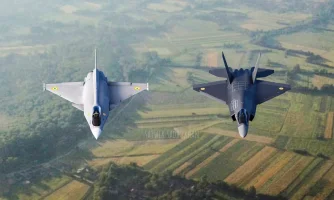
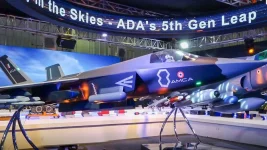
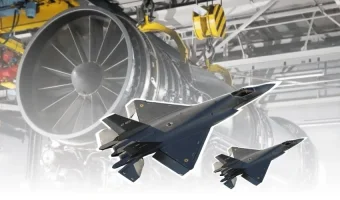
India’s Advanced Medium Combat Aircraft (AMCA) initiative is more than just the creation of a fifth-generation stealth fighter; it signals a major shift in the nation’s aerospace strategy.
In a departure from past indigenous fighter projects, Hindustan Aeronautics Limited (HAL) is not taking the lead on the AMCA prototype or the joint development of its future 110–120 kN engine.
This move reflects a calculated decision by the government to spread responsibilities across various organisations, moving away from relying solely on a single public-sector giant.
Through this transition, the Ministry of Defence is building an agile and competitive industrial base designed to speed up development and encourage specialised expertise.
Historically, HAL acted as the primary integrator for most major aerospace activities. However, the AMCA project is being driven by specialised bodies, with the Defence Research and Development Organisation (DRDO) and the Aeronautical Development Agency (ADA) heading crucial technological areas.
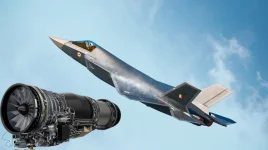
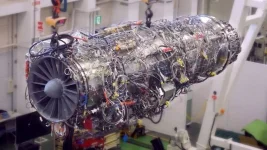
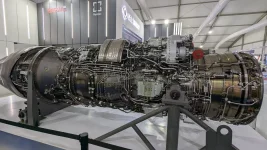
The planned joint development of the AMCA’s new engine alongside France’s Safran highlights this modern strategy.
While HAL and Safran already run joint ventures in India to build parts for the Rafale's M88 engine and commercial LEAP engines, the AMCA propulsion project is a distinct initiative managed by GTRE, DRDO, and ADA.
The goal goes beyond simply building engines under a license; it aims to create an entirely new powerplant from scratch, ensuring deep technology transfer and shared intellectual property.
Recent reports indicate that the agreement includes full ownership of the intellectual property for India and the transfer of critical hot-section technologies like single-crystal blades.
This separation of manufacturing from core design ownership is a vital step. The fundamental architecture, intellectual property, and essential research will be anchored by GTRE and its international partners, rather than being channelled through HAL’s traditional framework.
Ultimately, India is focusing on nurturing a brand-new technological landscape rather than simply growing existing state-run structures.
This environment has also encouraged competition, with British firm Rolls-Royce entering the fray with a rival offer to co-develop a 120 kN engine with full intellectual property rights, highlighting the dynamic nature of this new ecosystem.
Despite this shift, HAL remains a cornerstone of the broader aerospace sector. The company sustains its vital position through ongoing alliances with Safran, such as their joint venture in Bengaluru that produces components for various military and commercial engines.
Furthermore, HAL is set to gain from Safran’s expanding footprint in India, which includes new maintenance, repair, and overhaul (MRO) centres that reinforce the domestic supply chain.
Safran has openly stated that its growing partnerships in India are meant to upgrade the local aerospace industry, preparing companies like HAL for major national projects like the AMCA.
As a result, HAL is transitioning into a highly specialised manufacturing powerhouse, stepping back from its former role as the sole authority managing every phase of fighter development.
The true strategic value of this transition is the government’s push towards a distributed aerospace network.
Instead of placing the burden of design, integration, and production on one entity, these tasks are being shared among specialised groups in both the public and private sectors.
Key areas like airframe design, engine technology, advanced materials, and electronics are now treated as independent modules that draw on the unique strengths of different companies.
This modular approach is evident in the aircraft's roadmap itself: early AMCA Mk1 prototypes will fly with American GE F414 engines, while the more advanced AMCA Mk2 will integrate the new indigenous 110–120 kN powerplant.
By breaking the workload into specialised, competitive segments, the AMCA program is embracing a fresh philosophy. This method creates performance-based incentives, allows multiple organisations to work simultaneously, and minimises the risk of relying on a single bottleneck.
Importantly, it also opens the door for rising private aerospace firms to take on significant roles in shaping the future of India’s defence manufacturing.