- Views: 1K
- Replies: 1
In a significant strategic manoeuvre designed to strengthen military-industrial relations with Central Asia, India has formally proposed a wide-ranging defence partnership to Kazakhstan.
The offer prioritises joint development, co-production, and the seamless integration of supply chains for advanced weaponry, ammunition, and next-generation military platforms.
This overture, which senior officials have characterised as "strategic, long-term, and mutually beneficial," arrives at a critical juncture. Kazakhstan is actively seeking to diversify its defence procurement, moving away from its traditional heavy reliance on Russian hardware to establish partnerships with reliable Asian allies.
For India, engaging with the Central Asian republic serves as a pivotal gateway to the region’s vast natural resources and opens a lucrative new market for its rapidly expanding defence manufacturing sector.
A Turning Point in Defence Relations
The catalyst for this strengthened cooperation was the high-profile India–Kazakhstan Defence Industry Seminar, held recently in Astana on 19 November 2025.The event was jointly organised by the Embassy of India, the Society of Indian Defence Manufacturers (SIDM), and Kazakhstan’s Ministry of Defence and Aerospace Industry.
The seminar featured a robust delegation of over 30 representatives from India’s leading private and public sector defence enterprises, including Bharat Forge, Larsen & Toubro, Tata Advanced Systems, Zen Technologies, Solar Industries, Adani Defence, BrahMos Aerospace, and Hindustan Aeronautics Limited (HAL).
Indian Ambassador to Kazakhstan, Mr Y. K. Sailas Thangal, highlighted the synergy between the two nations, noting that India’s transformed defence industry is now capable of meeting Kazakhstan’s modernisation needs with high-quality, cost-effective solutions.
On the Kazakh side, the event was attended by senior officers from the Kazakh Armed Forces and the Ministry of Defence, alongside key industry players such as Kazakhstan Paramount Engineering, Kazakhstan Aselsan Engineering, and Semey Engineering.
Showcasing Advanced Capabilities
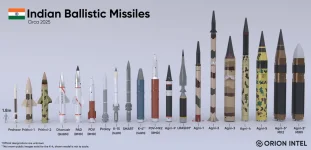
During exclusive closed-door business-to-business (B2B) sessions, Indian firms presented a diverse array of military solutions.The portfolio included the Pinaka multi-barrel rocket launcher, the Akash air defence system, and land and air variants of the BrahMos supersonic cruise missile.
Discussions also covered loitering munitions, small arms, protected mobility vehicles, advanced radar systems, and counter-drone technologies.
Key Areas of Proposed Collaboration
Indian officials have outlined five strategic pillars to guide future cooperation between the two nations:- Joint Development of Next-Gen Systems: Both nations expressed a strong intent to co-develop niche military technologies. Priority areas include anti-drone systems, electronic warfare suites, secure communication equipment, and long-range loitering munitions specifically designed for the unique steppe and mountain terrain of the region.
- Co-Production and Technology Transfer: Breaking from the traditional buyer-seller model, India offered full technology transfer (ToT) and the establishment of licensed production lines within Kazakhstan. This includes systems such as the AK-203 assault rifles, 155 mm artillery platforms, and modern radars—capabilities Kazakhstan currently imports largely from Russia and Turkey.
- Ammunition and Explosives Supply Chain: To assist Kazakhstan in reducing its dependence on Russian propellant and shell supplies, Indian industry leaders Solar Industries and Munitions India Limited proposed joint ventures. These facilities would manufacture artillery shells, rocket propellants, and small-calibre ammunition locally in Kazakhstan.
- Maintenance, Repair, and Overhaul (MRO) Hubs: Indian companies proposed the creation of regional MRO hubs for Soviet/Russian-origin platforms that Kazakhstan still operates, such as Mi-17 helicopters, T-72 tanks, and BMP-2 infantry fighting vehicles. India’s vast experience with these platforms allows them to offer faster turnaround times and lower costs compared to current options.
- Training and Simulation: Recognising Kazakhstan's drive to modernise its training infrastructure, firms like Zen Technologies demonstrated Virtual Reality (VR) based simulators for armoured vehicles and air defence crews.
Strategic Implications
Kazakhstan boasts one of the largest and most modern militaries in Central Asia, with an annual defence budget exceeding $5 billion (£3.9 billion) and a clear roadmap to upgrade its Soviet-era arsenal by 2030.Its geographic position, sharing borders with both Russia and China, makes it an indispensable partner for India’s "Connect Central Asia" policy.
Perhaps most significantly, Kazakhstan has emerged as a serious contender for the BrahMos supersonic cruise missile to bolster its coastal defence in the Caspian Sea.
If realised, this potential multi-billion-dollar deal would mark the first sale of the BrahMos system to a former Soviet republic, signalling a major shift in the geopolitical landscape of Eurasian defence trade.