- Views: 2K
- Replies: 2
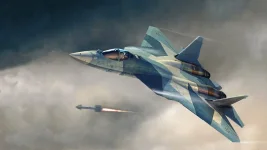
India’s pursuit of a modernised fighter fleet has reached a potential turning point, with Russia confirming that negotiations for the Su-57 stealth aircraft have moved into a critical new phase.
Speaking to the press at the Wings India 2026 air show in Hyderabad, Vadim Badekha, the Chief Executive Officer of Russia’s United Aircraft Corporation (UAC), revealed that discussions with New Delhi are now in a "deep technical stage," signalling a move beyond general interest toward concrete industrial planning.
According to the UAC chief, the current dialogue is no longer limited to the purchase of aircraft but is centred on defining the technical parameters for a long-term aerospace partnership.
Badekha noted that agreements of this magnitude are designed to shape the trajectory of bilateral cooperation for decades.
His comments indicate that both nations are actively evaluating how the fifth-generation platform can be tailored to meet the specific operational needs of the Indian Air Force, rather than treating it as a standard off-the-shelf import.
Leveraging Existing Infrastructure
A central pillar of the proposed deal is the plan to manufacture the Su-57 within India, utilising the industrial infrastructure already established for the Su-30MKI program.This strategy aims to replicate the success of previous licensed production agreements while aligning with New Delhi’s strict "Make in India" directives.
Badekha confirmed that the roadmap includes maximising the involvement of Indian industries, potentially allowing for the integration of locally developed mission computers, avionics, and electronic warfare suites into the Russian-designed stealth airframe.
Strategic Benefits for Local Industry
If successfully concluded, this localisation plan would significantly reduce India’s reliance on external supply chains for maintenance and upgrades.Furthermore, it presents a unique opportunity for Indian defence firms to gain hands-on experience with fifth-generation technologies.
Participation in the manufacturing process would likely accelerate the development of critical competencies in areas such as radar-absorbent material application, composite structure maintenance, and sensor fusion—capabilities that are vital for India’s own indigenous fighter programs, such as the Advanced Medium Combat Aircraft (AMCA).
Complex Technical Evaluation
Badekha cautioned that a project of this complexity requires rigorous assessment.The "advanced phase" of consultations involves aligning Russian engineering standards with Indian industrial capabilities and operational doctrines.
Key topics under review likely include the extent of technology transfer, the volume of indigenous content, and the establishment of a robust logistical support network to ensure fleet availability.
A Shift in Defence Cooperation
This development marks a potential evolution in the traditional buyer-seller dynamic between Moscow and New Delhi.By offering a partnership model that includes deep industrial integration, Russia aims to secure a strategic anchor in one of the world's most competitive defence markets.
For India, a locally produced Su-57 equipped with indigenous systems could provide a credible fifth-generation capability to address regional security challenges while bridging the gap until domestic stealth fighters enter service.
As technical teams from both sides continue their detailed assessments, the outcome of these talks could fundamentally redefine the structure of the Indian fighter fleet and the scope of Indo-Russian aerospace collaboration for the future.