- Views: 2K
- Replies: 2
The Indian Navy is rapidly moving to replace the radar systems on its MiG-29K fighter jets with indigenous alternatives following a significant security breach that has exposed severe performance issues with the Russian-made equipment.
A high-profile data leak in October 2025 revealed that the Zhuk-ME radars, intended to be the "eyes" of the fleet, are suffering from critical failures in India's humid maritime environment.
This revelation has prompted defence officials to look towards the locally developed Uttam Mk-2 Active Electronically Scanned Array (AESA) radar as a reliable replacement.
With the development of the next-generation Twin Engine Deck Based Fighter (TEDBF) facing delays, the Navy must ensure its current fleet remains combat-ready for at least another 15 years.
Leak Exposes "Combat-Crippling" Flaws
The controversy centres on internal documents from Rostec, the Russian state defence conglomerate, which were leaked by the hacker group 'Black Mirror'.These documents, dated September 2025, indicate that the Zhuk-ME radars fall short of their promised performance by up to 40% when operating in Indian conditions.
The report highlights several alarming deficiencies:
- Environmental Failure: The systems overheat in ambient temperatures above 40°C and suffer rapid corrosion from salt-laden sea air.
- Reliability Issues: The Mean Time Between Failures (MTBF) has dropped to under 200 hours, significantly lower than the operational requirement.
- Operational Impact: Serviceability has plummeted to just 60%, with software glitches making multi-mode operations unreliable.
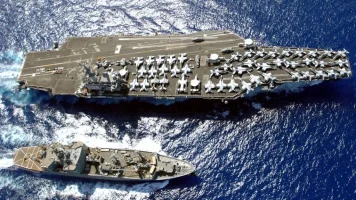
With 40 MiG-29K jets serving as the primary air wing for the aircraft carriers INS Vikramaditya and INS Vikrant, any reduction in radar capability seriously compromises India’s ability to secure the contested waters of the Indo-Pacific.
Allegations of Falsified Data
Perhaps most damaging are the allegations that performance data was manipulated to secure the original $2.5 billion contract. The leaked documents suggest that laboratory tests ignored the stressors of tropical climates to hide these weaknesses.This has triggered a diplomatic dispute, with New Delhi reportedly seeking a Rs 500 crore ($60 million) warranty claim, despite Moscow dismissing the leak as "fabricated."
These revelations follow a history of maintenance challenges. Independent audits, including past reports by the Comptroller and Auditor General (CAG), have previously flagged issues with the MiG-29K’s airframes and engines.
The radar failure now threatens to curtail Beyond Visual Range (BVR) engagements, a critical capability needed to counter modern threats such as the PLA Navy’s J-15 and J-35 fighters.
The Indigenous Solution: Uttam and HAWK-I
In response, the Indian Navy is pivoting towards "Atmanirbhar Bharat" solutions.The frontrunner for the upgrade is the Uttam Mk-2 AESA radar, developed by the Defence Research and Development Organisation (DRDO). Unlike the older mechanical radars, the Uttam Mk-2 uses advanced electronic scanning to track multiple targets simultaneously with greater precision.
Another contender is the HAWK-I 900, a lighter AESA radar developed by the private firm Data Patterns. While the HAWK-I offers a compelling interim solution, the Uttam radar is currently favoured due to its proven integration with the Tejas Light Combat Aircraft program.
However, the transition faces a timeline challenge. Hardening these indigenous radars for carrier operations—specifically against salt fog and vibration—and completing flight certifications could take three to four years. This pushes the first operational fits to the 2030–31 timeframe.
A Race Against Time
The urgency of this upgrade is driven by delays in the indigenous Twin Engine Deck Based Fighter (TEDBF) program.Originally expected to replace the MiG-29K by 2035, the TEDBF’s induction has now been pushed to roughly 2038–2042 due to funding and development hurdles.
This delay creates a "five-year limbo" where the MiG-29K must remain the backbone of naval aviation until 2040. To keep these jets relevant, the Navy has initiated Project 45A, a massive Rs 8,000 crore ($960 million) life-extension and avionics overhaul.
Without reliable new radars, however, experts warn that the fleet risks becoming "paper tigers"—formidable on paper but ineffective in actual combat against stealth adversaries.
As geopolitical tensions remain high, this shift from imported Russian technology to indigenous systems marks a critical turning point for Indian defence procurement, prioritizing operational reality over diplomatic legacy.