- Views: 2K
- Replies: 4
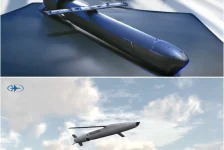
Following the Indian Air Force’s recent approval to procure Rafael Advanced Defence Systems' 'Ice Breaker' cruise missile, the Indian Navy has reportedly launched its own evaluation of the weapon for its fleet of MH-60R "Romeo" Sea Hawk helicopters.
Sources close to the development suggest this acquisition could substantially upgrade the Navy’s ability to neutralise maritime threats from rotary-wing aircraft operating at significant distances from the main fleet.
Addressing the Capability Gap
When India acquired 24 MH-60R Sea Hawks from the United States, the package included standard armaments such as AGM-114 Hellfire missiles and Mk-54 lightweight torpedoes.However, the Indian Navy opted not to procure the Kongsberg Naval Strike Missile (NSM), a system widely used by the US Navy on similar platforms.
While the NSM is highly effective for long-range anti-ship missions and weighs approximately 407 kilograms, its absence left a specific void in the Sea Hawk’s long-range strike potential within Indian service.
With the Indian Air Force now clearing the Ice Breaker for induction, naval strategists view this as an ideal opportunity to equip the Sea Hawks with a comparable modern, stealthy system.
The Israeli-designed missile weighs roughly 400 kilograms, making it perfectly suited for the payload capacity of the MH-60R, which is designed to carry munitions in the 400-kilogram class without compromising flight performance.
A Viable Alternative to Heavier Systems
The search for a suitable helicopter-launched missile is partly driven by the weight limitations of existing indigenous options.The Defence Research and Development Organisation (DRDO) has developed the Naval Anti-Ship Missile–Medium Range (NASM-MR), but with a mass exceeding 600 kilograms, it is primarily intended for fighter jets and is too heavy for the Sea Hawk.
Consequently, the Navy is pursuing a mixed inventory of lighter indigenous and foreign missiles to ensure its helicopters remain potent combat assets.
Complementing Indigenous Solutions
Naval planners envisage a future weapons package that blends the Ice Breaker with indigenous systems like the DRDO Naval Anti-Ship Missile–Short Range (NASM-SR).The NASM-SR, which weighs approximately 380 kilograms and has a range of around 55 kilometres, successfully completed flight trials in recent years. It offers a compact solution for close-to-medium engagements.
In this mixed configuration, the Ice Breaker would provide a complementary standoff capability, allowing the Sea Hawk to strike targets up to 300 kilometres away—significantly extending the helicopter's reach beyond that of the domestic short-range option.
Advanced Technical Capabilities
The Ice Breaker missile, a fifth-generation long-range weapon, introduces several cutting-edge features relevant to modern naval warfare.According to open-source specifications, the missile utilises an advanced Imaging Infrared (IIR) seeker enhanced by artificial intelligence.
This allows for autonomous target acquisition and recognition (ATR), enabling the missile to distinguish between hostile and neutral vessels even in cluttered maritime environments.
Furthermore, the missile is designed with low-observable (stealth) characteristics and follows a sea-skimming flight profile, making it exceptionally difficult for enemy radar and air defence systems to detect or intercept.
Crucially, the system is reported to be resilient against electronic jamming and can operate in GNSS-denied environments, ensuring reliability during high-intensity conflict.
Transforming the Sea Hawk’s Role
Integrating a stealthy, 300-kilometre range cruise missile would fundamentally alter the operational role of the MH-60R in Indian service.Traditionally viewed as platforms for anti-submarine warfare (ASW) and surface surveillance, the Sea Hawks would evolve into formidable "ship-killers."
Operating from frontline destroyers and frigates, these helicopters could threaten enemy surface combatants from safe standoff distances well outside the range of hostile air defences.
The potential deal also aligns with the government's "Make in India" initiative.
Recent industry reports indicate that Bharat Dynamics Limited (BDL) has signed a Memorandum of Understanding (MoU) with Rafael to manufacture variants of the missile domestically, ensuring that the induction of the Ice Breaker would support local defence manufacturing.
As the Navy’s interest gains momentum, the Ice Breaker stands out as a decisive upgrade, promising to transform the MH-60R into a key strategic asset for maritime strikes within the complex security architecture of the Indo-Pacific.