- Views: 5K
- Replies: 36
New Delhi's aspirations to integrate into Europe's next-generation fighter jet initiative have become a prominent strategic talking point.
However, according to German Ambassador Philipp Ackermann, any potential Indian partnership in the Future Combat Air System (FCAS) relies entirely on the core European stakeholders—namely France and Germany—ironing out their own internal disputes first.
While speaking to the media, Ackermann emphasised that Europe increasingly recognises India as a highly reliable defence partner.
Nevertheless, he clarified that the primary focus for the European consortium right now is stabilising the existing FCAS framework before bringing new international partners on board.
The FCAS Deadlock
The €100 billion FCAS initiative, spearheaded by France, Germany, and Spain, is designed to be a revolutionary sixth-generation combat network.It aims to integrate a newly designed manned fighter aircraft with a "combat cloud" of swarming drones, advanced sensors, and artificial intelligence.
However, the programme is currently facing a severe crisis that threatens its timeline.
Open-source intelligence indicates a bitter, ongoing standoff between France's Dassault Aviation and Germany's Airbus over industrial leadership and intellectual property.
Furthermore, the two nations have conflicting operational needs: France insists on a fighter capable of operating from aircraft carriers and carrying nuclear weapons, while Germany is focused on land-based operations and network integration.
India’s Dual-Track Defence Strategy
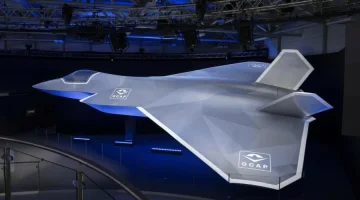
Ackermann's comments come at a crucial time. Recently, the Indian Ministry of Defence informed a Parliamentary panel of its intent to join a global sixth-generation fighter consortium "right away" to ensure the Indian Air Force does not fall behind in modern aerial warfare.If the FCAS delays continue, India is also reportedly evaluating the UK-led Global Combat Air Programme (GCAP) as a viable alternative.
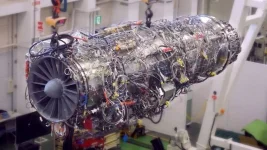
For New Delhi, joining a programme like FCAS would provide vital access to cutting-edge technologies such as manned-unmanned teaming, advanced propulsion, and stealth capabilities.
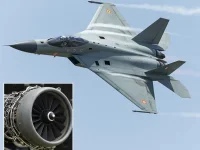
This international pursuit is intended to run parallel to India’s domestic efforts to build the fifth-generation Advanced Medium Combat Aircraft (AMCA), which recently moved closer to prototype development through private-sector partnerships.
Moving Beyond a Buyer-Seller Dynamic
Despite the current roadblocks within the FCAS programme, Europe’s view of India is fundamentally changing.Both France and Germany have significantly deepened their strategic and high-tech naval ties with India in recent years.
Ackermann noted that collaborative defence development with India is "absolutely on the agenda," even if it falls outside the immediate scope of the FCAS.
His outlook suggests that in the near future, India and Europe will forge joint initiatives that elevate New Delhi from a traditional customer to a core industrial co-developer in next-generation defence technologies.