- Views: 849
- Replies: 1
India remains open to future negotiations regarding Japan's cutting-edge Mogami-class frigates, despite the topic not being explicitly covered during the recent bilateral summit.
In their latest meeting, Indian Prime Minister Narendra Modi and Japanese Prime Minister Sanae Takaichi agreed to expand defence collaboration across all operational domains, including air, land, and sea.
When asked if Japan plans to manufacture these advanced warships in India, Foreign Secretary Vikram Misri stated that the matter was not part of the summit's agenda. However, he strongly hinted that joint ventures of this nature could be considered in upcoming engagements.
During a media briefing following the summit, Misri explained, "The Mogami-class ships were not discussed today. Nevertheless, Prime Ministers Modi and Takaichi explored broader partnerships involving naval, aerial, and ground systems. Particular topics, like the frigates, might be addressed when the time is right."
These comments carry considerable weight, as they neither confirm nor dismiss the possibility of acquiring one of Japan's most capable naval vessels.
It appears that both nations are currently focusing on strengthening their overall defence-industrial ties before committing to specific equipment platforms.
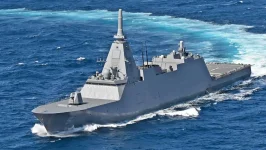
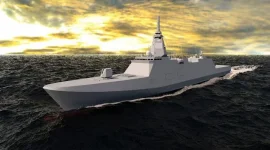
The Mogami-class frigate has garnered significant global interest due to its high level of automation, minimal crew needs, and versatile combat features.
Created for the Japan Maritime Self-Defence Force (JMSDF), this vessel boasts a digital framework that requires only about 90 crew members to operate. This is less than half the manpower typically needed for traditional frigates of a comparable scale.
As one of Japan's premier naval export items, the frigate is equipped with modern integrated combat systems and sophisticated sensors. It also features robust anti-submarine warfare tools, effective mine countermeasure abilities, and notably lower operational costs.
This platform presents a strong option for India as the Indian Navy works to upgrade its surface fleet. The Navy is actively seeking to integrate advanced automation and boost domestic manufacturing in its future shipbuilding initiatives.
In a major development during the recent summit, India and Japan signed their first-ever military hardware co-development deal to produce the UNICORN (Unified Complex Radio Antenna) stealth mast.
Interestingly, this advanced antenna technology is already a key component of Japan's Mogami-class frigates.
With Indian state-run Bharat Electronics Limited now collaborating on this stealth technology, defence analysts believe this paves the way for broader platform co-production in the future.
Over the last ten years, the defence relationship between New Delhi and Tokyo has grown substantially. What began primarily as joint military exercises has now blossomed into comprehensive technology sharing, logistics arrangements, maritime surveillance efforts, and industrial alliances.
The recent summit underscored this upward trend, with both prime ministers renewing their dedication to joint efforts across the military spectrum.
Although major new platform acquisitions were not declared, the deliberate focus on aerial, land, and naval systems shows that technology transfer and defence production remain top priorities for both governments.
Defence analysts predict that any upcoming talks about the Mogami-class will center on building the ships locally, aligning with India's "Make in India" and "Atmanirbhar Bharat" campaigns.
Furthermore, following changes to its national security guidelines, Japan is showing greater readiness to share defence manufacturing with reliable strategic allies to boost its export market.
A deal of this nature would perfectly support India's goals of enhancing its domestic shipyards. Through comprehensive technology transfer agreements, India stands to gain invaluable insights into next-generation naval architecture.
However, bringing such a project to life will demand thorough government-to-government talks. Both sides would need to carefully iron out details regarding technology sharing, local industry involvement, manufacturing roles, and intellectual property rights before making any final purchase decisions.
Ultimately, the remarks from the Foreign Secretary make it clear that while the Mogami-class frigates were left off the table during this specific meeting, they remain a very real prospect. As the strategic bond between India and Japan deepens, discussions on such advanced platforms are likely to surface.
Accessing top-tier Japanese maritime technology would greatly benefit the Indian Navy's current local shipbuilding efforts, introducing revolutionary concepts in ship automation, digital management, and reduced crew requirements.
At the same time, Japan would solidify a crucial defence-industrial link with one of its most vital partners in the Indo-Pacific region.