- Views: 3K
- Replies: 3
In a major step to strengthen its naval forces, India is on the verge of approving the "Project 75 Additional" initiative, which will see the acquisition of three new Scorpene-class submarines.
This follow-on order aims to deliver vessels rapidly while boosting local manufacturing and securing long-term industrial advantages.
With commercial talks between the government and Mazagon Dock Shipbuilders Limited (MDL) reportedly wrapping up in early 2025, a definitive agreement is anticipated by the end of March 2026, paving the way for a highly accelerated construction schedule.
The primary advantage of this procurement is the rapid turnaround time. Eric Balufin, Executive Vice President at Naval Group, noted that building these vessels avoids the lengthy development phases and high initial capital associated with entirely new designs.
Because MDL already possesses the necessary supply chains, technical expertise, and production lines from manufacturing the first six Project 75 submarines, work on the new boats can commence almost immediately once the contract is signed.
Estimated at roughly ₹36,000 crore, this agreement enhances both the size and capability of the Indian Navy's submarine fleet.
These three upcoming vessels are expected to feature a slightly larger design than the earlier models and will achieve up to 60% indigenous content.
This high level of local sourcing is a vital component of India's broader drive toward defence self-reliance, ensuring domestic industries play a larger role while cutting down long-term dependence on international suppliers.
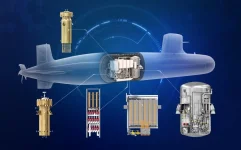
A technological centrepiece of these new submarines will be the inclusion of the Air Independent Propulsion (AIP) system, engineered by the Defence Research and Development Organisation (DRDO).
This advanced technology allows conventional diesel-electric submarines to stay completely submerged for up to two weeks, drastically improving their stealth and survivability by removing the need to surface frequently to recharge batteries.
Reports indicate that integrating this AIP module involves a highly complex engineering process known as "jumboisation," where the submarine's hull is precision-cut to safely insert the energy plug before being reassembled.
Looking beyond immediate tactical gains, the additional submarines offer profound long-term industrial benefits.
According to Balufin, this ongoing partnership could transform India into a central Maintenance, Repair, and Overhaul (MRO) facility for Scorpene submarines across the Indo-Pacific.
With multiple regional navies utilising or considering these French-designed vessels, an Indian MRO hub would foster deeper integration into global maritime supply chains while generating significant economic and diplomatic dividends.
Crucially, this procurement acts as a strategic bridge for the Indian Navy. India is simultaneously pursuing the much larger Project-75I (P75-I), a ₹72,000 crore initiative that recently saw New Delhi select Germany's ThyssenKrupp Marine Systems (TKMS) over Spanish competitors to build six next-generation submarines.
Because advanced programmes like P75-I require a notoriously long gestation period before the first vessel enters service, the three additional Scorpenes will ensure the Navy's underwater combat capabilities do not diminish in the meantime, maintaining robust force levels and operational readiness.