- Views: 1K
- Replies: 1
In a revelation that highlights the critical dangers of relying on foreign nations for military maintenance, a retired Indian Navy officer has disclosed a significant handicap faced by India during the 1999 Kargil conflict.
Vice Admiral Kishore O. Thakare (Retd.), speaking on The Sandeep Unnithan Show, detailed how the United States refused to return essential submarine periscopes to India during the height of the war, despite the payments having already been processed.
This historical vulnerability stands in stark contrast to India's current capabilities. As of 2023, the nation has achieved a breakthrough in self-reliance, successfully launching indigenous facilities to refurbish these complex optical systems within the country.
The 1999 Crisis: Blinded by Dependence
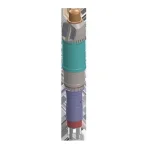
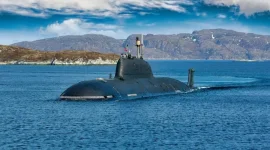
During the Kargil War, the Indian Navy launched 'Operation Talwar', aggressively patrolling the North Arabian Sea to deter Pakistan. However, behind the scenes, the fleet faced a serious logistical challenge regarding its Shishumar-class (German Type 209/1500) diesel-electric submarines.Vice Admiral Thakare recalled that prior to the conflict, periscopes from several of these submarines had been shipped to the United States for necessary refurbishment. At the time, India lacked the domestic infrastructure to repair the intricate optical and electronic sensors housed within a periscope.
When the conflict broke out, India urgently requested the immediate return of the equipment to ensure the fleet was fully operational. Despite India having completed the financial transaction, the US administration denied the request, stating that the periscopes would not be released until the war with Pakistan had concluded.
This refusal effectively grounded a portion of India’s underwater combat capability. A submarine without a functional periscope is virtually blind near the surface, rendering it unable to safely conduct surveillance or target acquisition. The incident served as a harsh lesson on how geopolitical pressure and foreign dependency can compromise national security during critical moments.
2023: A New Era of Self-Reliance
Decades after the Kargil experience, the Indian defence establishment has successfully closed this capability gap. A significant milestone was reached in 2023 when the Indian Navy commenced the indigenous refurbishment of submarine periscopes, ending the long-standing reliance on foreign Original Equipment Manufacturers (OEMs).This technological leap was facilitated by the Central Scientific Instruments Organisation (CSIO) based in Chandigarh. The CSIO has developed the requisite technology and infrastructure to handle the complete overhaul of these sensitive systems.
The new indigenous capabilities include:
- Optical Realignment and Overhaul: Precision correction of lenses and viewing systems.
- Component Replacement: Swapping out damaged sensitive parts with locally sourced or serviced alternatives.
- Pressure Integrity Restoration: Ensuring the periscopes can withstand high-pressure deep-sea environments.
- Modernisation: Upgrading the electronic imaging modules to modern standards.
Strategic Autonomy
The shift from the helpless situation in 1999 to the autonomous capabilities of today marks a pivotal moment for Indian defence. By maintaining these systems domestically, the Indian Navy benefits from significantly reduced turnaround times and lower maintenance costs.Most importantly, this development ensures strategic independence. As noted by defence experts, the ability to repair and deploy critical assets without seeking permission from foreign powers ensures that India’s operational readiness remains in its own hands, regardless of the global geopolitical climate.