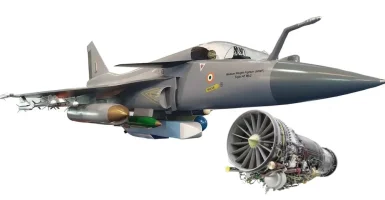
A recently published tender from the Aeronautical Development Agency (ADA) sheds new light on the rapid progress of India’s Tejas Mk2 fighter programme.
The documentation reveals that the aircraft's cockpit is undergoing major structural and digital transformations to house next-generation avionics and advanced pilot interfaces.
With the aircraft currently in a crucial development phase, the integration of vital Line Replaceable Units (LRUs) is being fast-tracked.
Engineers are conducting intensive tests across multiple ground-based integration rigs, ensuring that these complex subsystems are fully mature and ready to meet the project's strict deadlines.
The Shift to a Single Smart Screen
The most notable revelation from the ADA document is the complete redesign of the Tejas Mk2’s Main Instrument Panel (MIP).This overhaul is specifically tailored to make room for a new Large Area Display (LAD).
While older fighter jets rely on a cluttered layout of multiple smaller screens and dials, the Tejas Mk2 is moving toward a unified digital approach.
According to broader defence industry reports, this interface will feature a massive, touch-enabled 20x8 inch wide-area screen.
This system will merge flight parameters, navigation data, sensor readings, and weapon targeting onto a single, customisable layout.
By doing so, it vastly improves the pilot's situational awareness and reduces mental fatigue during intense combat scenarios.
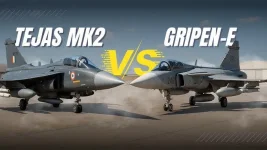
This modern architecture places the Indian fighter in the same technological league as premier global aircraft like the F-35 Lightning II, Gripen E, and the latest Rafale variants.
Fast-Tracking Systems Integration
The specific scope of the latest tender tasks a selected industry partner with manufacturing the newly designed MIP.ADA will supply the exact blueprints and connector specifications, while the vendor is responsible for building the hardware and ensuring all components pass rigorous aerospace certification standards.
While fabricating a single panel might seem like a minor administrative step, it signals a major milestone in the programme.
It confirms that the Tejas Mk2 has entered an advanced integration phase where mission computers, sensors, and the pilot's physical workspace are being locked in for prototype construction.
Furthermore, open-source data indicates that this new cockpit will be powered by an Open Architecture Avionics (OAA) framework.
This three-layered computer system separates basic flight controls from combat and mission software.
As a result, the Indian Air Force will be able to integrate new indigenous missiles or software updates in the future without needing to re-certify the aircraft's core flying systems.
The Bigger Picture for the Indian Air Force
These cockpit refinements are a vital piece of a much larger puzzle.The Tejas Mk2, classified as a Medium Weight Fighter, represents a massive leap forward from the current Tejas Mk1A. It is designed to be the future backbone of the Indian Air Force.
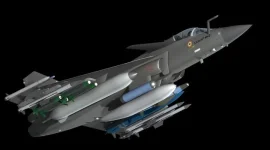
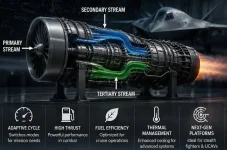
Beyond the state-of-the-art pilot interface, the 17.5-tonne aircraft will boast a more robust GE F414 engine, increased internal fuel capacity, and 11 hardpoints capable of carrying up to 6,500 kg of payload.
It will also feature the indigenous Uttam AESA radar and a Unified Electronic Warfare Suite for enhanced survivability.
As the project marches toward reality, these tenders provide tangible proof of progress.
With DRDO leadership recently projecting the fighter's maiden flight for mid-2026, the successful finalisation of the cockpit design ensures that India's next-generation pilots will have the cutting-edge tools they need to dominate the skies.