- Views: 2K
- Replies: 1
India’s fifth-generation fighter programme is set for a major technological leap as the Aeronautical Development Agency (ADA) integrates advanced artificial intelligence into the Advanced Medium Combat Aircraft (AMCA) Mk2.
The agency has confirmed the development of a digital "Electronic Pilot," or E-Pilot, designed to act as an autonomous mission partner for human pilots in the cockpit.
A Digital Co-Pilot for Stealth Operations
While the long-term roadmap for the AMCA includes a completely pilotless version, the current focus is on enhancing the capabilities of the manned aircraft.The E-Pilot is not a simple automation tool; it is being engineered as a virtual second crew member.
In the single-seat stealth fighter, this system will effectively perform the duties of a co-pilot or a weapons systems officer.
The introduction of the E-Pilot is intended to simplify complex flight and combat operations. Key responsibilities of this AI-driven system include:
- Automated Flight Phases: Handling take-off and landing procedures independently.
- Workload Management: Monitoring the flight envelope and aircraft health to free the pilot for tactical decisions.
- Combat Support: Assisting with sensor fusion, identifying targets, and prioritising threats during high-intensity engagements.
Human-Machine Teaming
Unlike fully autonomous drones, the E-Pilot programme preserves the pilot's role as the central commander.This "human-machine teaming" model ensures that while the AI manages the data-heavy environment of modern warfare, the human pilot retains final authority over mission objectives and rules of engagement.
According to sources, the E-Pilot will be a standard feature in the AMCA Mk2 fleet. The ADA intends to use a software-defined architecture, allowing the system to receive incremental updates and new autonomous functions without requiring physical modifications to the airframe.
Networked Warfare and the "Ghatak" Connection
The vision for the AMCA extends beyond the cockpit. Future iterations will see the E-Pilot evolve into a comprehensive combat management system capable of communicating with other indigenous platforms.A primary focus is the integration with the Ghatak, India’s upcoming stealth Unmanned Combat Aerial Vehicle (UCAV).
In this networked environment, the AMCA will serve as a command hub, sharing real-time data and mission updates with a group of autonomous "wingmen."
This allows the piloted aircraft to remain at a safer distance while directing a formation of drones to perform reconnaissance or strike missions in heavily defended territory.
Project Status and Additional Context
The AMCA project, which received formal government sanction in March 2024, is currently in the prototype development phase.Recent updates from the Aero India 2025 exhibition and current 2026 milestones indicate:
- Prototype Rollout: The first AMCA prototype is expected by 2028, with its maiden flight scheduled for 2029.
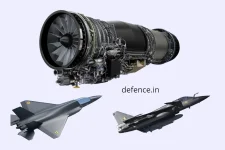
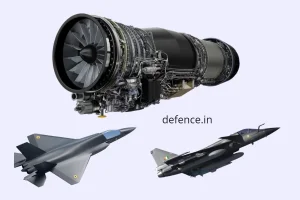
- Engine Development: While the initial Mk1 variant will use the GE-F414 engine, the Mk2 is expected to feature a more powerful, indigenously co-developed 110–140 kN engine in partnership with international firms like Safran.
- Advanced Avionics: The aircraft will incorporate the indigenous Uttam AESA radar and a suite of internal weapons, including the Astra air-to-air missiles and Rudram anti-radiation missiles, to maintain its stealth profile.