- Views: 3K
- Replies: 8
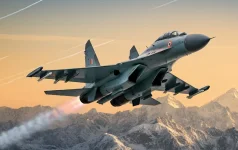
The Indian Air Force (IAF) is orchestrating a major strategic shift in its combat inventory as it prepares to decommission its fleet of SEPECAT Jaguar strike aircraft.
The transition, expected to commence in 2029, marks the beginning of the end for the twin-engine "deep penetration" workhorse that has served India for over four decades.
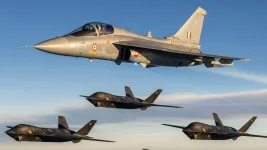
The move is meticulously timed to coincide with the large-scale induction of the indigenous Tejas Mk1A light combat aircraft, signaling a decisive step toward self-reliance in national defence.
Phased Retirement of a Cold War Icon
The Jaguar has been a critical asset for the IAF since the late 1970s, particularly in low-level strike and maritime roles. Currently, India is the sole operator of this aircraft type globally, maintaining approximately 120 units across six squadrons.According to defence sources, the phase-out will begin with older airframes equipped with the DARIN-I and DARIN-II avionics standards. These variants have become increasingly difficult and expensive to sustain due to aging components and a shrinking global supply chain for spare parts.
- Initial Drawdown: Starting 2029.
- Primary Replacements: Tejas Mk1A (for immediate gaps) and eventually Tejas Mk2.
- Extended Service: The more advanced DARIN-III variants, which feature modern AESA radars and glass cockpits, are projected to remain operational until the mid-2030s.
Tejas Mk1A: The New Backbone
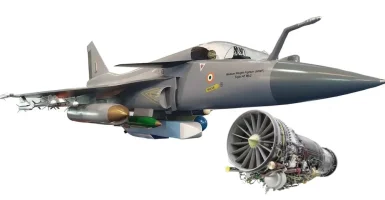
The modernization drive is centered on the Tejas Mk1A, which offers a generational leap in technology. Unlike the dedicated ground-attack Jaguar, the Tejas is a multi-role platform capable of both superior air defence and precision strikes.Despite recent supply chain hurdles—specifically delays in receiving F404 engines from General Electric (GE)—Hindustan Aeronautics Limited (HAL) has maintained momentum. As of early 2026, five aircraft are fully completed, with nearly a dozen more awaiting engine integration.
GE has reportedly committed to delivering up to 20 engines annually starting in the 2026-27 financial year to stabilize the production line.
Key Capabilities of Tejas Mk1A:
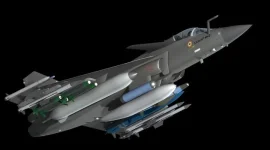
- Advanced Sensors: Equipped with the ELM-2052 or indigenous Uttam AESA radar.
- Electronic Warfare: Features a sophisticated self-protection jammer suite.
- Weaponry: Integration of Beyond Visual Range (BVR) missiles like the Astra and the ASRAAM.
Strategic Self-Reliance
This fleet overhaul is more than a simple equipment swap; it is a foundational pillar of the Atmanirbhar Bharat initiative.By transitioning from a foreign-legacy platform to a homegrown ecosystem, the IAF aims to:
- Standardize Logistics: Reducing the complexity of maintaining multiple aircraft types.
- Enhance Sovereignty: Minimizing dependence on international suppliers for critical upgrades and spares.
- Boost Industry: Strengthening the domestic aerospace manufacturing sector.
Transition and Training
As the first Tejas Mk1A squadrons prepare for formal raising in 2026, training pipelines are already expanding.Pilots and maintenance crews from outgoing Jaguar units are being integrated into Tejas conversion programs.
This ensures that as the "Jaguar era" fades, the IAF maintains its combat readiness through a seamless handover to modern, indigenous technology.