- Views: 2K
- Replies: 1
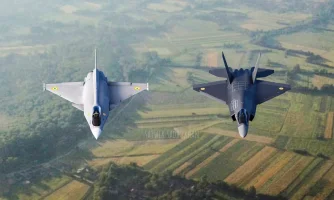
As India progresses with its Advanced Medium Combat Aircraft (AMCA)—the nation's premier fifth-generation, 25-tonne stealth fighter project—mastering radar invisibility has become a top priority.
A major driving force behind this is a new, domestically built Radar Cross Section (RCS) software system.
Created by the private defence firm Zeus Numerix for the Aeronautical Development Agency (ADA), this cutting-edge tool is proving essential in crafting, testing, and perfecting the stealth capabilities of India's future combat fleet.
Stealth technology relies heavily on managing an aircraft's RCS, which essentially determines how easily enemy radar can spot it.
In the development of advanced platforms like the AMCA, keeping this radar signature to a bare minimum dictates every aspect of the aircraft, from its physical shape to the radar-absorbent materials used on its surface.
With the new software from Zeus Numerix, aeronautical engineers can accurately forecast and fine-tune the jet's radar footprint early in the blueprint stage.
This proactive approach bypasses the need for expensive and time-consuming physical prototypes to test radar visibility.
To achieve this, the software relies on highly sophisticated electromagnetic modelling, utilising a scientific approach known as the Physical Theory of Diffraction (PTD).
This allows researchers to digitally simulate how radar waves will bounce off the intricate shapes of the fighter jet.
By mapping out how signals react to the aircraft's curves, edges, and joints, designers can precisely engineer crucial stealth elements.
This includes seamlessly aligning surface edges, hiding weapons in internal bays, and applying specialised coatings that absorb radar energy, thereby keeping the aircraft hidden from enemy scanners.
A standout feature of this modernised software is its immense computing power, achieved by upgrading older, slower programming codes into a highly efficient, parallel processing system.
By employing advanced computational methods across clustered networks, the time required to run these complex simulations has plummeted.
Testing the radar signature of a large aircraft design used to take up to eight hours; today, the exact same task is completed in roughly 20 minutes.
This monumental leap in speed has completely transformed the pace at which the AMCA can be developed.
Such rapid processing times offer far more than mere convenience; they provide a vital strategic edge.
With the ability to run simulations so quickly, the design team can continuously test and tweak countless variations of the aircraft's shape.
This rapid trial process is absolutely vital for the AMCA, as engineers must constantly strike a delicate balance between making the jet invisible to radar while ensuring it remains highly manoeuvrable, structurally sound, and capable of carrying a heavy payload of weaponry.
Furthermore, the software features a highly intuitive visual interface equipped with advanced analytical tools.
Designers can now look at digital models that highlight the aircraft's radar "hot spots"—the exact areas where radar waves reflect the most.
Through detailed graphs, range profiles, and other visual data, engineers can easily spot specific weaknesses in the jet's stealth armour and make the exact structural adjustments needed to resolve them.
The successful creation of this domestic software represents a massive leap for India's wider defence manufacturing sector.
Historically, the digital tools required to design stealth aircraft have been tightly guarded secrets, heavily restricted by international export laws to prevent technology transfer.
By engineering its own RCS simulation software, India is successfully breaking its reliance on foreign powers.
This achievement secures absolute national control over one of the most highly classified and sensitive stages of modern combat aviation.
It perfectly complements recent initiatives by the Ministry of Defence to open AMCA prototyping to the Indian private sector, driving the nation's self-reliance goals forward.
Beyond the immediate benefits to the AMCA project, this technological breakthrough holds vast potential for other branches of the military.
The very same software used to hide the new fighter jet can be repurposed to lower the radar visibility of combat drones, naval warships, and cruise missiles, laying the groundwork for even more advanced sixth-generation systems in the future.
Ultimately, it cements India's growing status as an independent power in advanced defence technology, paving the way for potential future exports of top-tier engineering software to allied nations.