- Views: 2K
- Replies: 3
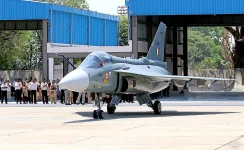
Hindustan Aeronautics Limited (HAL) and the Indian Air Force (IAF) have deferred a highly anticipated review meeting regarding the delivery timeline of the Tejas Mk1A fighter jets.
Originally scheduled for early May, the high-level dialogue is now expected to occur in the second or third week of June.
This delay reflects the ongoing hurdles within the ₹1.09 lakh crore project to produce 180 Tejas Mk1A combat aircraft, underscoring the continuous setbacks in India's premier indigenous fighter programme.
Recently appointed HAL Chairman and Managing Director, Ravi Kota, met with senior IAF officials in New Delhi to request an extension before the critical assessment.
The extra time is required to resolve several pressing technical bottlenecks before presenting a revised roadmap.
Primary Technical Hurdles
The postponement is driven by a series of integration and supply chain complications that continue to hinder the formal delivery of the aircraft:- Radar Integration: Engineers are facing challenges synchronising the Israeli-made Active Electronically Scanned Array (AESA) radar with the aircraft’s systems, as it has yet to clear all operational benchmarks.
- Electronic Warfare (EW) Suite: Full validation and automation of the advanced EW systems are taking longer than anticipated.
- Weapons Testing: Complete certification of the weapons package, including crucial missile firing trials, remains pending.
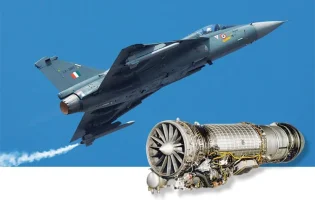
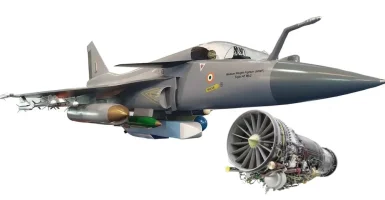
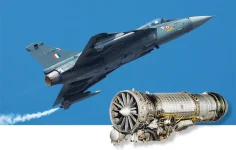
- Engine Supply: A significant shortfall in F404 engines from American manufacturer GE Aerospace has severely disrupted the production line. Although HAL has manufactured several structurally complete airframes, they remain grounded without powerplants. Recent reports indicate HAL has only received six engines so far, though more are expected by year-end.
Revised Delivery Timelines and IAF's Pragmatic Approach
The Tejas Mk1A project is currently running over two years behind its initial schedule, with the first deliveries originally planned for the 2024–2025 timeframe.Following the latest delays, HAL leadership indicated during recent earnings calls that they hope to commence deliveries between August and September 2026, contingent on the stabilisation of engine supplies.
For the IAF, these delays are a matter of serious operational concern. The Air Force is currently operating with approximately 29 fighter squadrons, significantly below its sanctioned strength of 42.5 squadrons.
To mitigate this critical shortfall and accelerate inductions, the IAF is reportedly adopting a pragmatic approach:
- Temporary Relaxations: The IAF is open to accepting the initial batch of Tejas Mk1A jets without full automation of certain non-critical systems, such as the EW suite.
- Future Upgrades: These relaxed features would be fully integrated and upgraded in a time-bound manner post-delivery, provided the core combat effectiveness of the aircraft remains uncompromised.
The Strategic Importance of the Programme
The Tejas Mk1A is a substantial technological leap over the baseline Light Combat Aircraft (LCA) Tejas.It boasts modern capabilities designed to keep the IAF combat-ready in a highly contested airspace:
Key Enhancements of Tejas Mk1A
- Advanced AESA Radar for superior target tracking
- Modernised Electronic Warfare systems for improved survivability
- Beyond-Visual-Range (BVR) missile capabilities
- Enhanced maintainability and quicker turnaround times
Looking Ahead
A positive and decisive outcome from the rescheduled June review meeting will be essential to establish a realistic delivery roadmap.Defence analysts and military planners will be closely monitoring the situation, as resolving these complex, high-tech integration challenges is paramount for restoring confidence in India's domestic aerospace manufacturing capabilities.