- Views: 2K
- Replies: 4
The future of Europe’s premier sixth-generation fighter project is facing a potential strategic pivot.
Éric Trappier, CEO of Dassault Aviation, recently indicated that France possesses the capability to spearhead the Future Combat Air System (FCAS) independently if ongoing industrial and political friction with Germany remains unresolved.
Navigating Multinational Complexity
The FCAS initiative—a collaborative effort between France, Germany, and Spain—was designed to create a sophisticated "system of systems."This includes a New Generation Fighter (NGF), autonomous wingman drones, and a synchronized "combat cloud" network.
However, the project has been hampered by persistent disputes over intellectual property rights, industrial leadership, and differing national military requirements.
While the total lifecycle cost for the tripartite program is estimated at €100 billion, Mr. Trappier suggested that a French-led solo venture could potentially be developed for less than €50 billion.
This assessment highlights a common critique in the defence industry: multinational projects often see costs inflate as each participating nation adds unique operational demands and bureaucratic layers.
Diverging Strategic Requirements
A primary source of the current impasse lies in the fundamental military doctrines of the lead partners:- France’s Requirements: Paris necessitates a fighter capable of carrier-based operations to suit its naval fleet and a platform compatible with its independent nuclear deterrent. The NGF must eventually operate from the PANG (Porte-Avions Nouvelle Génération), France's planned nuclear-powered aircraft carrier.
- Germany’s Position: Berlin does not maintain a carrier fleet or an independent nuclear strike force, leading to different design priorities that do not always align with French strategic needs.
India as a Strategic Alternative
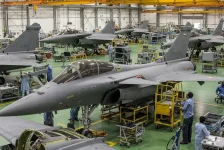
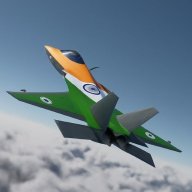
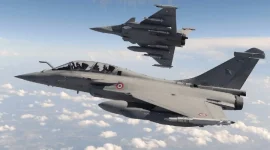
As tensions within the European coalition persist, India has emerged as a high-profile potential collaborator.Security ties between Paris and New Delhi have deepened significantly, bolstered by India's successful integration of the Dassault Rafale into its Air Force and Navy.
During the 2026 India–France Annual Defence Dialogue, Indian officials expressed formal interest in the FCAS initiative.
Analysts note that India’s military needs mirror those of France more closely than Germany’s do:
- Naval Aviation: Like France, India operates multiple aircraft carriers, including the INS Vikrant and INS Vikramaditya, and requires advanced carrier-borne strike capabilities.
- Nuclear Deterrence: As a nuclear-armed state, India maintains an aerial wing within its Strategic Forces Command, making a stealthy, high-tech fighter a logical long-term asset.
Economic Implications of a New Coalition
Shifting to a smaller, more aligned coalition could fundamentally alter the program's financial landscape.Experts suggest that a French-led program with fewer partners—such as India and Spain—could reduce the total development burden from €100 billion to approximately €50 billion.
Under this leaner structure, the individual financial commitment for a partner nation could drop significantly.
Projections indicate that a partner’s contribution might fall below €20 billion, a notable decrease from the €30 billion plus previously anticipated under the original FCAS framework.