Modern aerial combat relies heavily on controlling the electromagnetic spectrum, a reality that was clearly demonstrated during Operation Sindoor.
Launched in May 2025 in retaliation to the Pahalgam terror attack, this operation highlighted that victory requires more than just raw firepower.
True dominance depends on mastering radar and communication frequencies to protect allied sensors while actively jamming and confusing the adversary's systems.
During the intense multi-day offensive, the Indian Air Force (IAF) showed exceptional skill in electronic warfare. This advanced capability allowed Indian jets to safely navigate heavily guarded enemy airspace.
They successfully neutralised threats and launched precision strikes against Pakistani military assets and terror infrastructure, including the Lashkar-e-Taiba headquarters in Muridke and the Jaish-e-Mohammad base in Bahawalpur.
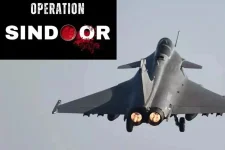
The success of these missions was largely due to the Rafale fighter jet’s SPECTRA system.
Recognised as one of the most advanced electronic warfare suites globally, SPECTRA acts as a virtual shield for the aircraft. It seamlessly integrates radar warning receivers, active jammers, and decoy dispensers.
In areas crowded with enemy missiles and radars, the system effectively jammed hostile tracking equipment, provided immediate alerts about approaching dangers, and deployed AI-powered X-Guard decoys to confuse Pakistani air defence networks.
Throughout Operation Sindoor, Rafale jets operated deep within Pakistani airspace, where they were constantly targeted by enemy radars and surface-to-air missiles.
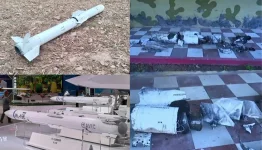
Despite the high volume of missiles fired by the adversary, the SPECTRA system successfully neutralised the attacks. By employing sophisticated countermeasures, the system tricked or jammed incoming weapons, causing them to veer off course.
Furthermore, official tender documents and open-source reports later confirmed that all 36 Rafale jets in the IAF fleet remained fully intact, contradicting the adversary's claims of combat losses.
The No. 17 Squadron "Golden Arrows," commanded by Group Captain Ranjeet Singh Sidhu, spearheaded these critical strikes.
For his bravery and leadership under fire, Group Captain Sidhu was awarded the Vir Chakra. He and other decorated pilots—such as Group Captain Manish Arora—relied on SPECTRA for continuous updates on incoming threats. This allowed the pilots to perform evasive manoeuvres without losing focus on their targets.
Consequently, the IAF was able to deliver devastating payloads, including SCALP cruise missiles and Hammer precision-guided munitions, against high-value targets with remarkable accuracy and safety.
Ultimately, Operation Sindoor highlighted a major shift in modern combat strategies: electronic warfare is now a primary requirement for survival and mission success, rather than a secondary support function. Today's fighter aircraft use the electromagnetic spectrum as their main tool for both attack and defence.
In heavily contested environments, the ability to control this spectrum dictates who strikes first, who hits their target, and who returns safely.
By integrating cutting-edge technology into its platforms, the IAF not only inflicted severe damage on hostile assets but also ensured the safety of its own forces, proving that advanced electronic capabilities provide a crucial edge in modern warfare.