- Views: 2K
- Replies: 7
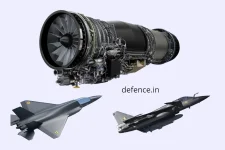
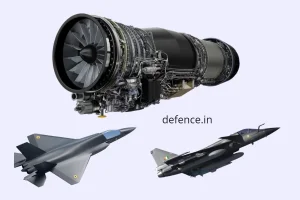
India’s pursuit of a homegrown high-performance jet engine is reaching a decisive turning point. Recent reports indicate that the French bid is emerging as the frontrunner in a competitive field that includes major British and American aerospace firms.
This shift in preference is attributed to the comprehensive nature of the French offer, which focuses on providing India with unprecedented levels of technological autonomy and industrial involvement rather than relying solely on historical partnerships.
Complete Technology Transfer and IP Ownership
At the heart of the French proposal is a commitment to a total transfer of Intellectual Property (IP).Unlike previous agreements that offered restricted access, this deal would grant Indian entities full ownership of:
- Design Data: Comprehensive blueprints and engineering logic.
- Materials Science: Proprietary information regarding the advanced alloys and coatings required for high-heat environments.
- Manufacturing Know-how: The specialized processes needed to produce complex engine components.
A Partnership of Equals in Co-Development
The proposed collaboration is structured as a genuine joint venture rather than a simple buyer-seller relationship. A significant portion of the design refinement, engineering, and rigorous testing phases would be executed within India.This strategy is designed to:
- Cultivate Expertise: Develop a highly-skilled Indian workforce capable of advanced aerospace engineering.
- Strengthen the Supply Chain: Build a robust local vendor ecosystem to support the aerospace sector.
- Future-Proofing: Create the necessary infrastructure to power not only current fighter jet projects but also next-generation propulsion requirements.
Domestic Production and Strategic Independence
A key pillar of the agreement is the transition to 100% domestic manufacturing.Once the development phase concludes, the engine will be produced entirely on Indian soil without the need to import hardware from France.
French involvement would shift toward a consultative role, providing technical expertise as needed.
This "Made in India" mandate is a strategic safeguard, ensuring that India’s defence capabilities remain insulated from international supply chain disruptions or shifting geopolitical climates.
High-Level Oversight and Financial Stability
Recognizing the complexity and importance of the project, the Indian government plans to implement a unique administrative and financial framework:- Direct Supervision: The programme will receive constant monitoring from the Prime Minister’s Office and the Defence Ministry to bypass bureaucratic hurdles.
- Independent Funding: In a rare move, the project is expected to be funded outside the standard defence budget. This dedicated financial stream, cleared by the Finance Ministry, aims to protect the engine's development from annual budgetary shifts or competing procurement needs.
By securing full IP rights and establishing a self-sustained manufacturing base, India is positioned to close one of the most significant gaps in its national defence architecture.