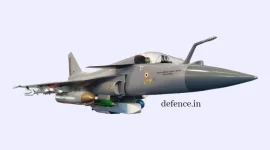
Even if India officially seals the highly anticipated ₹3.25 lakh crore ($39 billion) agreement for 114 Rafale fighter jets by the close of this year, the project will span well over a decade.
Based on standard aerospace manufacturing cycles and defence procurement norms, the final domestically built jet may only be completed between 2038 and 2041.
This mega-deal aims to urgently address the Indian Air Force's (IAF) declining combat strength, which has currently dropped to roughly 29 squadrons against a mandated requirement of 42.
Establishing the Domestic Ecosystem
The initial batch of fully built jets from France is expected to arrive by 2029, directly supplementing the IAF's existing operational fleet of 36 Rafales.However, manufacturing the remaining 90 or so aircraft in India will require years of groundwork before full-scale mass production can begin.
The first phase of the agreement will be dedicated to creating a local manufacturing ecosystem.
Even after the contract is finalised, establishing a dedicated Final Assembly Line (FAL), transferring complex technical documents, approving local suppliers, and certifying the facilities will take roughly two to three years.
Throughout this preparatory window, the chosen Indian private-sector partner will work hand-in-hand with Dassault Aviation.
Together, they will build the necessary assembly infrastructure, train the local workforce, and thoroughly test production techniques to ensure they meet stringent international aviation standards.
The Path to Localisation
Early manufacturing efforts in India will rely on assembling Semi-Knocked Down (SKD) or Completely Knocked Down (CKD) kits shipped directly from the foreign manufacturer.Initially, the aircraft are expected to feature around 40 to 50 percent indigenous content.
Over time, the proportion of Indian-made parts will steadily grow as local factories start producing airframe structures, components, and critical sub-systems.
This step-by-step approach to self-reliance mirrors the successful strategy used for earlier Indian aerospace projects, such as the Su-30MKI.
After the domestic assembly line hits its stride, production will level out to a consistent pace.
Standard defence industry estimates suggest that an advanced fighter facility in India could comfortably build 8 to 12 aircraft each year.
Under ideal supply chain conditions, this peak output could stretch to 12 to 16 jets annually.
To construct approximately 90 fighter jets locally, the Indian assembly line would need to run continuously for seven to nine years at a sustained rate of 10 to 12 aircraft per year.
Delivery Milestones and Long-Term Impact
In this projected timeline, while the IAF inducts its imported fighters around 2029, the very first aircraft completely built on Indian soil would likely leave the factory around 2031 or 2032.This accounts for the time required to complete all technology transfers, machinery installations, and mandatory quality certifications.
From the early 2030s onward, the Indian assembly line would take over as the sole source of aircraft deliveries, maintaining continuous serial production for the rest of the decade.
Taking these production rates and localisation milestones into account, the final Indian-made Rafale would be handed over to the air force between 2039 and 2041.
This final delivery date will ultimately depend on annual output efficiency and the overall stability of the global aerospace supply chain.
Stretching into the 2040s, this Multi-Role Fighter Aircraft (MRFA) procurement will stand as one of the longest-running fighter manufacturing initiatives in Indian history.
It guarantees long-term, steady work for the domestic aviation sector while systematically transferring cutting-edge industrial skills and defence capabilities to the nation.