The renewed diplomatic and military closeness between the United States and Pakistan is raising serious concerns among strategic experts.
The primary worry is that this shifting geopolitical alignment could compromise highly classified Chinese defence technology currently operated by the Pakistan Air Force (PAF).
Because Islamabad has a long-standing tradition of balancing its relationships between rival global powers to maximize its own strategic gains, analysts suggest that China's advanced military hardware stationed in Pakistan is now vulnerable to foreign intelligence gathering.
Historically, Pakistan has successfully navigated the divide between superpowers to acquire both economic support and advanced military platforms.
During earlier periods of strong US-Pakistan alignment, Washington expressed deep concerns over reports that Chinese military officials were secretly granted access to American-made F-16 fighter jets in the PAF inventory.
A similar intelligence breach reportedly occurred in 2011, when Pakistan allegedly allowed Chinese engineers to examine the wreckage of a highly classified US stealth helicopter used in the raid against Osama bin Laden.
Today, as relations between Washington and Islamabad show signs of improvement—highlighted by resumed security cooperation and military sustainment packages—experts believe Beijing fears the exact reverse scenario is unfolding.
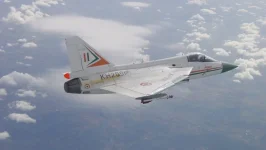
A central point of vulnerability is the Chinese-built J-10CE "Vigorous Dragon," an advanced multi-role fighter jet. Pakistan inducted these aircraft starting in 2022, becoming the sole international buyer of the platform.
According to defence analysts, this unique status makes the J-10CE a highly attractive target for American intelligence agencies.
While the People's Liberation Army Air Force (PLAAF) operates around 300 of these jets domestically, Pakistan’s open deployment provides a rare window for the US to gather crucial radar, avionics, and operational data.
Analysts notes that American agencies could obtain this intelligence either through direct observation or by recruiting assets within the Pakistani military ranks.
Protecting the secrets of the J-10CE is viewed as a major test of China's ability to safeguard its proprietary defence technology on the global market. However, the risk to Chinese intellectual property extends far beyond current assets.
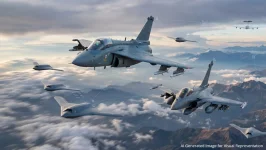
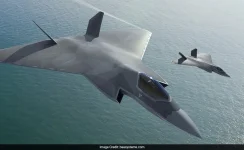
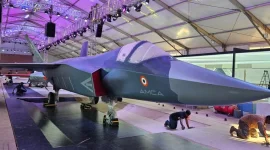
Earlier this year, the PAF leadership confirmed its intentions to acquire China's in-development fifth-generation stealth fighter, the FC-31 (which shares heavy developmental ties with the J-35 series).
Analysts warns that if Pakistan successfully procures this stealth platform, the intelligence risk to Beijing would multiply exponentially.
The United States would likely deploy vast resources to uncover the secrets of China's newest radar-evading capabilities.
Despite guaranteed official denials from the Pakistani government, the potential for lucrative financial rewards or strategic favors could easily motivate individuals to leak sensitive data to Western operatives.
For China, Pakistan remains an "all-weather friend" and a vital showcase for its international defence exports. However, this heavy reliance on Islamabad creates a dangerous backdoor for American intelligence penetration.
As the US and Pakistan continue to find common ground, Beijing is being forced to remain highly vigilant to ensure its flagship weapons platforms are not compromised.
Ultimately, this situation highlights a crucial reality of modern great-power competition: exporting advanced military hardware to nations with fluid, multi-directional alliances requires robust counter-intelligence measures to prevent critical defence secrets from falling into rival hands.