The Indian Air Force (IAF) is reportedly reconsidering the 2035 retirement schedule for its highly dependable Mirage-2000 fighter jets.
Military sources suggest that the phase-out of these aircraft might be pushed back by up to four years, allowing them to remain on active duty until 2038 or 2039.
This potential delay is not due to any shortcomings in the aircraft's performance or outdated technology. Instead, it is a strategic measure to ensure a smooth transition.
As the IAF awaits the arrival of major future acquisitions, including the planned purchase of 114 Rafale jets under the Multi-Role Fighter Aircraft (MRFA) programme and the indigenous Tejas Mk2, defence planners are adjusting the retirement schedule to prevent a sudden drop in operational readiness during this vital modernisation period.
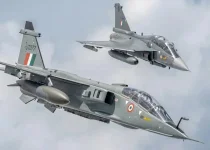
The first step in this fleet reorganisation involves the Jaguar ground-attack aircraft. These older deep-strike bombers are scheduled to leave service before the Mirage-2000 fleet.
When the Jaguar units are deactivated, they will likely be replaced by modern squadrons flying a combination of the Tejas Mk1A and the advanced Tejas Mk2 fighters.
If production stays on track for a 2032–2033 rollout, the initial two or three squadrons of the Tejas Mk2 will step in to fill the void left by the departing Jaguars. This strategy ensures that the IAF can steadily transition to domestically built fighter jets without sacrificing its overall combat numbers.
Following the Jaguars, the upgraded MiG-29UPG fighters are slated to begin their gradual retirement around 2034.
It is only after these earlier phased exits are managed that the IAF will turn its full attention to retiring the Mirage-2000 jets.
Known fondly as the "Vajra" (Thunderbolt) within the ranks, the Mirage-2000—first inducted in 1985—commands immense respect within the Indian military.
Over the decades, it has proven itself through high operational readiness, reliable performance, and precise bombing capabilities.
From its decisive role using laser-guided bombs during the 1999 Kargil War to the 2019 Balakot airstrikes, the aircraft has deeply cemented its legacy in national defence.
Defence insiders explain that if the Tejas Mk2 enters service as planned in the early 2030s, it will eventually take over the duties of the Mirage-2000.
However, if the large-scale manufacturing of both the Tejas Mk2 and the new Rafale jets only accelerates after 2035, keeping the Mirage fleet flying for an additional three to four years will become an absolute necessity to maintain adequate squadron strength.
Rather than a last-minute reaction to delays, this extension is viewed as a carefully calculated bridge connecting older combat platforms with next-generation aerial technologies.
A major factor making this life extension possible is the ongoing cooperation from Dassault Aviation.
The French aerospace company has reportedly promised to provide Original Equipment Manufacturer (OEM) support well past 2035. This commitment guarantees that a lack of spare parts or technical assistance will not ground the jets.
Furthermore, as other air forces around the world retire their own Mirage-2000 fleets, a large global market of surplus structural components has become available.
The IAF can access this inventory to replace worn-out parts, greatly lowering the risk and cost of maintaining the aircraft.
With this robust supply chain in place, military officials are confident that the aircraft can continue to fly safely and perform its missions effectively for several more years beyond its original retirement date.
The modernisation of a nation's air force is a complex process influenced by manufacturing timelines, defence budgets, changing geopolitical threats, and everyday operational needs.
The IAF’s practical choice to hold on to the Mirage-2000 a little longer showcases a well-thought-out approach to rebuilding its combat fleet, rather than a panicked response to an aircraft shortage.
The primary goal during this transition is to prevent any sudden decline in the country's aerial combat capabilities.
Thanks to comprehensive upgrades in its radar, avionics, and modern missile systems, the Mirage remains a highly capable multirole fighter that can easily secure the skies until the newer jets are fully integrated.
If this new timeline goes into effect, the Mirage-2000 will have served the nation for well over half a century. It is incredibly rare for a fighter jet to achieve such a long lifespan while remaining a highly relevant frontline combat asset.
For the aviators who have commanded it in the skies and the engineers who have maintained it on the ground, the Mirage represents much more than just a flying machine; it has been a symbol of absolute precision, resilience, and reliability.
Ultimately, extending the life of the Mirage-2000 does not point to a slowdown in India's military modernisation. Instead, it highlights a prudent defence strategy, ensuring that the country's transition to a future powered by the Tejas Mk2 and the Rafale is both smooth and secure.