- Views: 3K
- Replies: 11
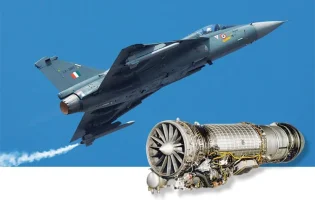
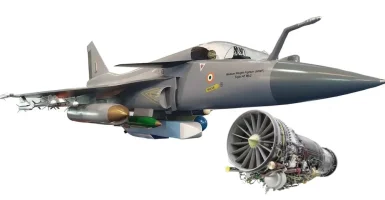
India has showcased its indigenous Light Combat Aircraft (LCA), the Tejas Mk1A, to Greece as a potential solution for the Hellenic Air Force's (HAF) fleet modernization requirements.
During a significant diplomatic visit to New Delhi in February 2026, the Greek Minister of National Defence, Nikolaos-Georgios S. Dendias, was given a comprehensive presentation on the fighter jet.
This briefing has sparked serious dialogue regarding future defence aviation collaboration between the two nations, aligning with Greece's "Agenda 2030" military reform plan.
The timing of this proposal is critical as Greece actively seeks to update its air power amidst persistent regional complexities in the Eastern Mediterranean.
The HAF is currently looking to retire its legendary but aging F-4 Phantom II aircraft. These Cold War-era jets, upgraded years ago under the "Peace Icarus 2000" programme to include modern avionics and radar, have long been the backbone of Greek ground-attack capabilities.
However, as maintenance becomes costlier and airframes reach the end of their service life, a strategic gap is emerging that requires a prudent, long-term solution.
Following the high-level briefing with Indian Defence Minister Rajnath Singh, industry observers suggest that New Delhi is positioning the Tejas Mk1A as an ideal replacement for these retiring platforms.
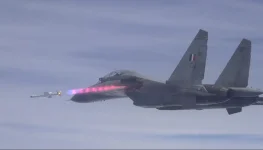
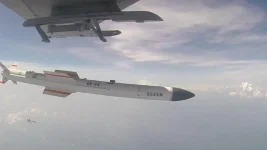
The pitch highlights the Tejas as a state-of-the-art, single-engine fighter equipped with Active Electronically Scanned Array (AESA) radar, a sophisticated electronic warfare suite, and the ability to carry a diverse array of weaponry, including the indigenous Astra air-to-air missiles and precision-guided bombs.
Experts note that while the Tejas Mk1A and the F-4 Phantom II are vastly different in design, they may be strategically complementary. The Phantom is a heavy, twin-engine interceptor and bomber with a maximum takeoff weight of over 28 tons.
In comparison, the Tejas is a nimble light fighter, weighing in at roughly 13.5 tons fully loaded—about half the size of the Phantom. While this means the Tejas carries a lighter payload and has a shorter range than the heavy-class Phantom, it offers superior agility and drastically lower operational costs.
For the Hellenic Air Force, the logic behind considering the Tejas lies in creating a balanced and sustainable fleet. Greece already operates French Rafales and is in the process of acquiring stealthy F-35 jets from the United States.
In this mix, the Tejas Mk1A could serve as an affordable, high-volume "workhorse" for daily patrols and tactical missions, preserving the expensive flight hours of heavy stealth fighters for high-threat scenarios.
Additionally, India’s offer likely includes attractive terms for technology transfer and local industrial cooperation, fitting well with the "Make in India" initiative and Greece’s desire to boost its domestic defence sector.
The engagement between Ministers Dendias and Singh further cements the growing strategic partnership between New Delhi and Athens.
Beyond aviation, the two sides recently signed a joint declaration to deepen defence industrial ties and agreed to position a Greek liaison officer at India's Information Fusion Centre (IFC-IOR).
While a formal procurement deal for the Tejas has not yet been signed, this detailed briefing signals a new chapter in Indo-Greek relations, potentially opening the door for joint training, technology sharing, or future procurement.