- Views: 2K
- Replies: 13
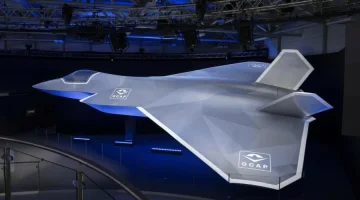
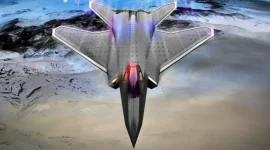
India and France are currently evaluating a highly ambitious partnership to develop a 6th-generation Future Combat Air System (FCAS).
At the heart of these discussions is the joint creation of a cutting-edge Variable Cycle Engine (VCE). This next-generation propulsion system is designed to maintain high-speed, Mach 2-class cruising.
If successful, this collaboration would mark a major milestone in aerospace history, moving beyond simple aircraft manufacturing into the realms of advanced propulsion, digital networks, and autonomous flight.
Understanding the Variable Cycle Engine
The development of a Variable Cycle Engine is quickly becoming a primary focus for both nations.Traditional military jet engines usually force a compromise: they are either built for fuel efficiency during long flights or for maximum power during combat.
A variable cycle engine solves this problem by physically changing how it operates in mid-air to match the needs of the mission.
During long patrols, the engine adjusts its airflow to function much like a highly efficient commercial airliner engine, saving fuel and extending flight time.
However, when combat requires immediate power, the engine quickly shifts into a high-thrust mode.
This flexibility allows the fighter jet to combine long-range endurance with the ability to "supercruise"—flying at speeds over Mach 2 without relying on fuel-heavy afterburners.
The Tactical Edge of Supercruise
The capability to maintain high speeds without afterburners provides a massive advantage in modern combat.It allows the aircraft to patrol over dangerous airspace for significantly longer periods.
If a threat appears, the jet still retains the energy and speed needed to intercept enemies or safely escape the area.
This unique blend of staying power and sheer speed is considered a mandatory requirement for any true 6th-generation fighter jet.
Industry Leadership and Technology Transfer
French aerospace leader Safran is well-positioned to spearhead the engine development for the fighter aircraft portion of the FCAS programme.Safran brings critical expertise in handling extreme temperatures, advanced turbine design, and sophisticated cooling systems—all vital components for a variable cycle engine.
Recent industry developments highlight Safran's growing commitment to the Indian aerospace sector, including the establishment of major maintenance facilities in Hyderabad and ongoing discussions regarding full technology transfers for India's upcoming indigenous fighter platforms.
For India, this partnership is not simply about buying an engine. The core goal is full co-development and complete access to the technology. India seeks the foundational engineering data, known as Interface Control Documents (ICDs).
This level of access ensures that Indian engineers can seamlessly integrate homegrown weapons, radar systems, and flight software into the new fighter jet, securing long-term self-reliance in defence manufacturing.
Beyond the Jet: Networks and Drones
Modern air warfare is no longer just about the fighter jet itself. A 6th-generation platform must operate as part of a larger, interconnected digital ecosystem.- The Combat Cloud: The proposed India-France programme would likely include the creation of a highly secure data-sharing network. This system connects the fighter jet in real-time with other aircraft, satellites, ground troops, and command centres, providing a complete picture of the battlefield.
- Remote Carriers: Both countries are also focusing on "loyal wingman" drones. These autonomous uncrewed aircraft fly alongside the human pilot, taking on dangerous tasks such as scouting ahead, jamming enemy radar, or carrying out strikes. By using artificial intelligence to coordinate the manned jet and the drones, the system dramatically increases combat effectiveness while keeping human pilots safer.
A Timely Strategic Shift
This potential collaboration arrives at a critical moment.The original European FCAS project has experienced significant programmatic challenges and disagreements over industrial leadership among its member nations. These hurdles have opened the door for new international partnerships.
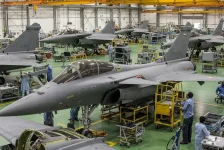
India presents a strong alternative for France, building on a successful track record of defence cooperation, most notably the acquisition of Rafale fighter jets.
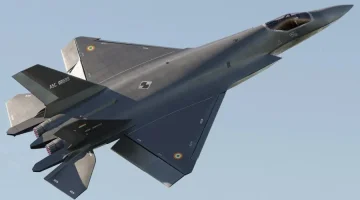
For New Delhi, partnering on a 6th-generation platform perfectly complements its ongoing efforts to build the 5th-generation Advanced Medium Combat Aircraft (AMCA), offering a strategic leap forward in securing its future airspace.