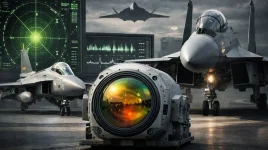
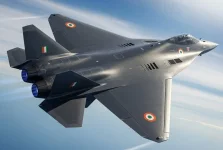
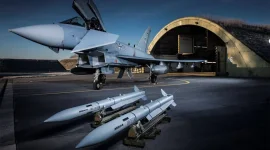
In a monumental leap for its aerospace capabilities, India is on track to operate three distinct and parallel fighter jet manufacturing lines by the next decade.
This historic post-2030 vision will see the simultaneous mass production of three formidable aircraft: the indigenous fifth-generation Advanced Medium Combat Aircraft (AMCA) spearheaded by private industry, the 4.5-generation Tejas Mk2 built by the state-owned Hindustan Aeronautics Limited (HAL), and the French-designed Rafale fighters assembled locally via the Dassault Reliance Aerospace Limited (DRAL) joint venture.
This tri-line approach promises to radically transform the nation's defence aviation sector.
The highly anticipated AMCA programme marks a major shift in India's defence manufacturing strategy, as it will be the first domestic combat aircraft initiative led primarily by the private sector.
The government has reportedly shortlisted prominent industry leaders—such as Tata Advanced Systems, Larsen & Toubro, and Bharat Forge—to execute this project, effectively excluding HAL to ensure speedy delivery and fresh innovation.
Operating on a remarkably cost-effective research and development budget of approximately ₹15,000 crore, this fifth-generation stealth jet is expected to begin its prototype rollout around 2028 before entering mass production in the mid-2030s.
At the same time, India’s premier public sector enterprise, HAL, will remain the backbone of the medium-weight fighter fleet by producing the Tejas Mk2.
To support this massive undertaking and clear existing order backlogs, HAL is actively injecting ₹10,000 crore into major infrastructure upgrades, including new assembly lines in Nashik and Bengaluru.
This dedicated focus allows HAL to steadily scale up production of the 4.5-generation Tejas Mk2—which is expected to see its first flight by late 2025—without being overstretched by the demands of the AMCA programme.
The third production avenue involves the expansion of the Rafale fighter jet programme under the DRAL partnership.
As part of the broader Medium Role Fighter Aircraft (MRFA) initiative, New Delhi is pushing for up to 50% localisation and the crucial transfer of Interface Control Documents (ICD).
This strategic requirement will allow Indian engineers to seamlessly integrate homegrown weapon systems, like the Astra and Rudram missiles, onto the French-origin aircraft.
Consequently, this dedicated assembly line will not only provide the Indian Air Force with highly advanced fighters but also ensure they possess a significant amount of native technology and weaponry.
Operating three concurrent manufacturing lines will grant India the ability to rapidly expand and diversify its combat fleet.
Beyond merely boosting squadron numbers to address current shortages, this framework establishes a healthy competitive environment between public enterprises and private corporations.
Such competition is expected to drive down costs, enhance overall manufacturing quality, and ensure strict adherence to delivery schedules across the entire defence manufacturing landscape.
Looking toward the long-term future, this industrial expansion will dramatically multiply India's pool of highly skilled aerospace professionals.
Thousands of domestic technicians and engineers will secure hands-on training across a wide spectrum of cutting-edge fields.
They will master stealth technologies and composite materials through the AMCA, handle sophisticated avionics via the Tejas Mk2, and learn complex international system integrations through the Rafale line.
This widespread technical expertise will permanently solidify the domestic supply chain.
In addition to building workforce capability, this three-pronged approach creates distinct industrial hubs, each with its own specialized strengths, vendor networks, and best practices.
By spreading the responsibility of fighter production across multiple independent entities, India significantly reduces its reliance on any single manufacturer.
This diversification builds a highly resilient and robust defence industrial base capable of weathering supply chain disruptions or global crises.
Ultimately, this operational model highlights a mature and balanced approach to modern aerospace development.
By carefully combining the trusted experience of the public sector, the fresh dynamism of private industry, and targeted international joint ventures, India is securing its skies.
Post-2030, the nation will be well-equipped to fulfill the critical squadron needs of the Indian Air Force while simultaneously emerging as a powerful, self-reliant competitor in the global fighter jet export market.