- Views: 2K
- Replies: 15
Former Chairman of the Defence Research and Development Organisation (DRDO), Dr. Samir V. Kamat, has shed light on why India is choosing to partner with foreign firms for the Advanced Medium Combat Aircraft (AMCA) engine.
While he noted that the nation possesses the technical foundation to build a sixth-generation fighter jet engine on its own, pursuing a completely homegrown route could delay the project by more than 15 years.
Speaking on the country’s long-term aviation goals, Dr. Kamat explained that India is now capable of producing an advanced military turbofan engine independently.
However, the sheer complexity and time required for such an endeavour would push the AMCA timeline back significantly. To prevent these delays, the DRDO is actively pursuing a strategy of joint development and production alongside a seasoned international engine maker.
The goal of this partnership goes far beyond buying ready-made engines or simply assembling them under a foreign licence. Instead, India aims to co-design, develop, and manufacture this next-generation engine on domestic soil.
By doing so, Indian aerospace engineers will gain crucial hands-on experience with cutting-edge technologies, establishing a robust domestic foundation for all future engine projects.
Notably, open-source reports from 2026 indicate that aerospace giants like Safran and Rolls-Royce have both offered deep co-development models that include complete intellectual property (IP) rights for India, ensuring the nation gains full ownership of critical core technologies.
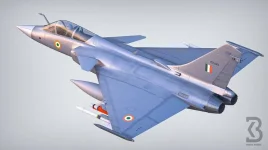
This newly designed engine is intended to power the AMCA Mk2, which will be the more advanced iteration of India’s fifth-generation stealth fighter.
The initial AMCA Mk1 batch is already slated to fly using the American General Electric F414 engine. In contrast, the Mk2 variant demands a much more formidable powerplant in the 110 to 130 kN thrust category.
This immense power is necessary to achieve supercruise—sustained supersonic flight without afterburners—alongside a heavier weapons payload and enhanced stealth characteristics.
Creating a military turbofan of this calibre from scratch without outside help is a monumental task that historically takes well over a decade, even for nations with extensive aerospace experience.
These engines are among the most complex engineering marvels in the world. They require mastery over intricate components like single-crystal turbine blades, ceramic matrix composites, and advanced digital engine control systems.
Perfecting these elements demands rigorous research, numerous prototype designs, and thousands of hours of stringent ground and flight testing before the engine can be certified safe for combat use.
In earlier public statements, Dr. Kamat referred to past attempts at designing an engine and a platform simultaneously as a "rookie mistake," noting that learning from such missteps is vital for avoiding delays in modern aviation programmes.
To drastically cut down this development timeline while ensuring maximum technology transfer, the DRDO is evaluating proposals from top global aerospace powers.
Leading companies from France, the United Kingdom, and the United States—specifically Safran, Rolls-Royce, and GE Aerospace—have been engaged in deep discussions to partner with India on this critical venture.
Dr. Kamat emphasised that this collaboration must transcend the traditional buyer-seller dynamic. India is insisting on an equal partnership where both sides work shoulder-to-shoulder across the entire lifecycle of the engine, from the initial blueprints to future upgrades.
This ensures that the most sensitive technologies take root permanently within the country, freeing India from the vulnerabilities of relying on foreign suppliers for maintenance and modifications.
This strategic shift aligns perfectly with the government's broader vision of achieving complete self-reliance in the defence manufacturing sector.
Over the years, India has successfully mastered the design of combat airframes, advanced radar systems, modern avionics, and deadly missile arsenals. The ability to build high-performance fighter engines remains the final major hurdle in achieving total aerospace independence.
The country's current approach is heavily informed by the lessons learned during the indigenous Kaveri engine project. While the Kaveri programme did not ultimately produce the high thrust and reliability needed for modern combat jets, it was not in vain.
The decades of research poured into the Kaveri initiative built a vital reservoir of knowledge in gas turbine technology. This foundation now allows Indian scientists to sit at the table as competent, equal partners rather than mere apprentices in the new engine programme.
Looking ahead, the joint AMCA engine programme is poised to be one of India's most transformative defence technology milestones of the decade. The expertise and infrastructure generated will have ripple effects far beyond a single stealth fighter.
Mastering this technology will pave the way for powering future sixth-generation combat jets, advanced unmanned combat aerial vehicles (UCAVs), and a variety of other high-performance aerospace systems.
Ultimately, Dr. Kamat’s insights highlight a highly pragmatic and mature approach to India’s military aviation ambitions. Rather than stalling the highly anticipated AMCA stealth fighter by stubbornly attempting to reinvent the wheel, the defence establishment is leveraging strategic global partnerships.
This ensures the aircraft takes to the skies sooner, all while guaranteeing that the intellectual property, advanced manufacturing capabilities, and long-term engineering expertise remain firmly in Indian hands.