The Indian Navy, alongside the Ministry of Defence, is intensifying its mission to achieve self-reliance in marine propulsion by swapping out older Ukrainian gas turbines for homegrown technology.
Spurred by global instability and the strategic necessity of maintaining steady supply chains during conflicts, this transition represents a major milestone in India's naval indigenisation journey.
For over thirty years, the core of India's surface fleet has relied heavily on marine gas turbines produced by Ukraine’s Zorya-Mashproekt. These systems have powered key vessels, including the Rajput, Delhi, Kolkata, and Visakhapatnam-class destroyers, as well as the Talwar-class frigates.
Operating in Combined Gas and Gas (COGAG) configurations, these imported engines have historically provided the immense power required for the Navy's high-speed, deep-ocean missions.
However, the ongoing conflict between Russia and Ukraine severely impacted Ukrainian manufacturing, highlighting the risks of relying on foreign suppliers for critical defence equipment.
The difficulty in acquiring spare parts, new engines, and carrying out extensive repairs has underscored the urgent need for a fully domestic propulsion industry that can sustain current warships and power future fleets.
As a result of the war, the Zorya-Mashproekt plant in Mykolaiv sustained significant disruption, accelerating the urgency of India's transition.
To secure absolute sovereignty over its marine engines, India is rolling out a comprehensive plan covering gas turbines, diesel engines, and maintenance networks.
Leading the charge in the gas turbine segment is Bharat Heavy Electricals Limited (BHEL), working closely with the Indian Navy, the Defence Research and Development Organisation (DRDO), and private firms like Bharat Forge.
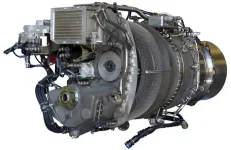
Recent industry breakthroughs have seen BHEL actively indigenising powerful 40 MW-class marine gas turbines for the fleet. This shift targets the creation of turbines between 24 MW and 40 MW for upcoming destroyers and frigates.
By doing so, India aims to master complex manufacturing processes, such as turbine blade casting and gearbox integration, shifting away from foreign Original Equipment Manufacturers (OEMs) toward complete domestic design and lifecycle management.
India has also previously laid the groundwork in this domain through the development of the Kaveri Marine Gas Turbine (KMGT) by DRDO's Gas Turbine Research Establishment (GTRE).
In tandem with gas turbines, the country is rapidly expanding its production of marine diesel engines. Under the Ministry of Defence’s Make-I framework, local companies are developing medium-speed diesel engines in the 3 MW to 10 MW range.
These systems are intended to propel Coast Guard and naval ships, including offshore patrol vessels and landing craft, and could eventually be integrated into Combined Diesel and Gas (CODAG) setups.
Kirloskar Oil Engines Limited (KOEL) is a primary player in this sector, laying the foundation for a robust domestic diesel manufacturing base that will progressively phase out imported alternatives.
Beyond manufacturing, establishing self-sufficiency in maintaining these engines is equally vital. Relying on foreign companies for major engine overhauls has historically resulted in extended maintenance periods and supply chain vulnerabilities.
To solve this, India is heavily investing in local Maintenance, Repair, and Overhaul (MRO) infrastructure. Collaborative efforts between BHEL and other defence contractors are centering on reverse-engineering essential components, refurbishing turbines, and providing complete lifecycle support.
BHEL has previously formed partnerships aimed at overhauling Zorya turbines within India to drastically cut costs and downtime. These domestic facilities guarantee that the Navy's frontline ships remain combat-ready, regardless of global supply disruptions.
This drive for self-reliance is a key pillar of the government’s Aatmanirbhar Bharat initiative, designed to maximize domestic content in major defence acquisitions.
Due to extreme operational stresses and the need for high-end materials, marine propulsion is among the most complex fields in naval engineering.
Conquering these technical hurdles will not only secure India’s strategic independence but also fortify the industrial foundation necessary for future fleet requirements.
In addition to public sector efforts, private entities like Kalyani Strategic Systems (a Bharat Forge subsidiary) have acquired a majority stake in joint ventures like Zorya Mashproekt India to further localize technological capabilities.
This indigenisation push arrives at a crucial moment as the Indian Navy embarks on a massive expansion of its fleet.
Upcoming projects, including next-generation corvettes, frigates, and amphibious ships, will require robust, locally made engines to ensure continuous dominance across the Indian Ocean Region.
Manufacturing these systems at home offers the flexibility to customize engines for specific missions without waiting for foreign export clearances.
Furthermore, the technological advancements achieved in military propulsion are poised to spill over into the civilian maritime industry, benefiting commercial shipbuilding and offshore energy sectors.
While perfecting marine gas turbines is a highly complex process requiring rigorous testing, the ongoing strides in gas turbines, diesel engines, and MRO facilities prove that India is effectively erasing a major strategic vulnerability.