- Views: 2K
- Replies: 6
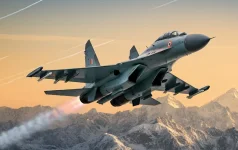
The Indian Air Force (IAF) has adopted a practical approach to modernising its fighter fleet by deciding to exclude approximately 70 of its older Sukhoi Su-30MKI aircraft from the extensive "Super Sukhoi" upgrade programme.
Rather than undergoing a complete overhaul, these older jets will receive targeted, incremental weapons updates over time. This strategy allows the IAF to use these seasoned aircraft exclusively as heavy missile carriers, often referred to as "bomb trucks."
By making this choice, the IAF is managing its resources wisely, ensuring that these vital aircraft remain highly useful on the frontlines while navigating an overall shortage of fighter squadrons.
This move is part of a larger plan to deeply modernise about 75% of India's total fleet of 272 Su-30MKIs.
The broader Super Sukhoi project, an ambitious programme estimated to cost between ₹60,000 and ₹65,000 crore, will focus on upgrading roughly 200 newer jets built by Hindustan Aeronautics Limited (HAL).
These newer airframes are slated to receive cutting-edge technology, including the indigenous Virupaksha Active Electronically Scanned Array (AESA) radar, modernised cockpits with artificial intelligence features, and advanced electronic warfare systems.
By leaving the oldest batches out of this expensive refit, the military is focusing its funds on the newer aircraft, aiming to keep the Su-30MKI relevant as the backbone of India's air defence network well into the 2050s.
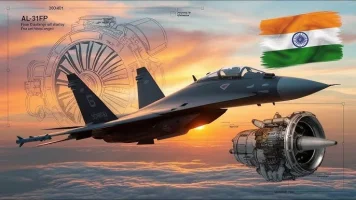
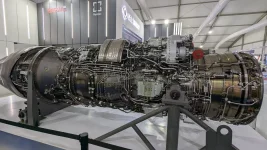
The 70 aircraft set aside for the dedicated missile carrier role are primarily the earliest models, equipped with original AL-31FP engines and older passive electronically scanned array (PESA) radars.
These jets have already provided immense service, logging thousands of flight hours and participating in critical border patrols and strike missions.
Because of their age, installing expensive new radars and cockpit displays would not be cost-effective.
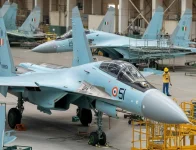
According to defence officials, nearly 40 of these older jets have already been successfully modified by HAL at its Nashik facility since 2017.
These modifications include strengthened undercarriage pylons, reinforced airframes, and updated fire-control systems specifically designed to carry the heavy 2.5-tonne BrahMos-A supersonic cruise missile.
When armed with this weapon, the aircraft can strike land and maritime targets from over 1,500 kilometres away.
The logic behind this decision is straightforward: the aircraft's existing older radar is perfectly capable of guiding long-range weapons until the missile's own onboard seekers take over for the final strike.
Therefore, massive electronic overhauls are unnecessary for the "bomb truck" role. Instead, the IAF will perform minor electronics updates and structural life extensions to ensure these jets remain safe and airworthy until 2040.
This approach guarantees that the older aircraft will remain a formidable threat throughout the next decade, armed with an expanding array of made-in-India weapons.
In addition to the current Mach 2.8 BrahMos-A, which has a 400 km range, these jets are expected to carry the upcoming BrahMos-NG (Next Generation) by 2028.
The BrahMos-NG is a lighter 1.5-tonne variant featuring better stealth capabilities and a 300 km range.
Furthermore, trials will begin next year to equip these fighters with the Defence Research and Development Organisation's (DRDO) Indigenous Technology Cruise Missile (ITCM), a subsonic weapon capable of striking targets 500 km away.
The firepower of these dedicated missile carriers will be further boosted by the CATS Hunter Air-Launched Cruise Missile (ALCM), another DRDO project designed with a 1,000 km range and the ability to fly low to avoid enemy radar.
With this diverse arsenal, these older Su-30MKIs will serve as powerful strike assets, potentially working alongside unmanned drones in future combat scenarios.
While they bypass the major refit, they will still receive essential software patches to fire modern beyond-visual-range air-to-air weapons like the Astra Mk2. Engine overhauls at HAL's Koraput plant will also be conducted to maintain optimal thrust and performance.
This smart division of the fleet—creating a high-tech group of 200 Super Sukhois while keeping 70 older jets as cost-effective missile haulers—mirrors global military strategies, similar to how the United States Air Force sustains its older B-52 bombers.
Ultimately, this strategy eases the manufacturing pressure on HAL, allowing the company to dedicate resources to newer fighter projects like the Tejas Mk2 and the Advanced Medium Combat Aircraft (AMCA) prototypes, while ensuring the IAF gets the maximum tactical value out of every single airframe in its inventory.