- Views: 1K
- Replies: 2
In a significant development for the Indian Air Force (IAF), Russia has officially consented to support India’s extensive "Super Sukhoi" modernisation programme for its fleet of over 250 Su-30MKI fighter jets.
While New Delhi had previously rejected Moscow's offer for a completely Russian-led modernisation package, Russian expertise is still required in a limited but critical capacity.
Specifically, Russian technical support is essential for the timely redevelopment of the aircraft’s Digital Fly-by-Wire Flight Control Computer (DFCC), ensuring the comprehensive ₹63,000 crore (approximately $7.5 billion) programme remains on schedule.
The current DFCC in the Su-30MKI is a hybrid system built in the late 1990s by Russia’s NPO Nauka and India's Aeronautical Development Agency (ADA).
Under the upcoming upgrade, the fighter jet will be outfitted with almost entirely Indian-made avionics and sensors.
This includes the highly anticipated "Virupaksha" Gallium Nitride-based Active Electronically Scanned Array (AESA) radar, domestic infrared search and track (IRST) systems, modern touch-screen cockpit displays, and new mission computers produced by Hindustan Aeronautics Limited (HAL) and private defence companies.
However, for these modern Indian components to function properly, they must connect flawlessly with the flight control system, which still operates on original Russian algorithms and safety certifications.
To guarantee the safe operation of the modernised fighters under all flying conditions, Indian engineers need access to the original source code, aerodynamic control rules, and the safety-focused software structure.
If Russia had not agreed to share this sensitive data, Indian developers would have been forced to rebuild and recertify the entire flight control software from the ground up. This alternative route would have introduced severe technical risks and delayed the critical upgrade by several years.
Following extensive discussions, Moscow has committed to supplying the required technical documents, access to the source code, and testing support for the new DFCC, which is being designed by the ADA and the Defence Avionics Research Establishment (DARE).
It is important to note that Russia's participation will be strictly confined to flight control integration and safety certification.
Moscow will not play any part in upgrading the radar, electronic warfare systems, or cockpit displays. These areas have been entirely indigenised under the 'Aatmanirbhar Bharat' initiative, which will see the jets equipped with advanced domestic systems like the Dhruti radar warning receiver and indigenous jamming pods.
The choice to include Russian support was primarily motivated by strict project deadlines.
The Super Sukhoi programme, which was approved by the Cabinet Committee on Security in 2024, is vital to maintaining the combat readiness of the Indian Air Force well into the 2050s.
The timeline dictates that the first prototype upgrades should commence by 2027, with the initial batch of 84 jets modernised by 2032. Even a minor delay in developing the flight control system would have severely disrupted this entire schedule, affecting the nation's air defence preparedness.
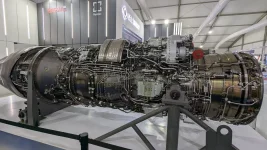
Previously, Russia had strongly promoted its own upgrade solution, known as the Su-30SM2 package. This proposal included Russian-made components such as the AL-41F1S engine and the Irbis-E radar.
However, India declined this offer, choosing instead to rely on domestic capabilities to achieve self-sufficiency in defence manufacturing.
This newly agreed limited partnership creates a balanced situation: Russia maintains a small but crucial role in the long-term upkeep of India's Sukhoi fleet, while India secures greater technological independence and operational sovereignty.
The maiden flight of the first Super Sukhoi prototype is anticipated around 2028-2029. It will showcase the powerful new Virupaksha AESA radar, cutting-edge mission computers, and a sophisticated electronic warfare suite designed to improve survivability against modern threats.
Additionally, the modernised fighter jets will be armed with a deadly array of next-generation weapons. This includes integration with the supersonic BrahMos cruise missile, the Astra family of air-to-air missiles, the Rudram series of anti-radiation missiles, and advanced long-range standoff weapons, ensuring the Su-30MKI remains the formidable backbone of India's air power for decades to come.